The trial between Musk and Altman is the trial of the century, and there’s more drama than ever…
It’s been three days, and we’re still not done digesting it all.
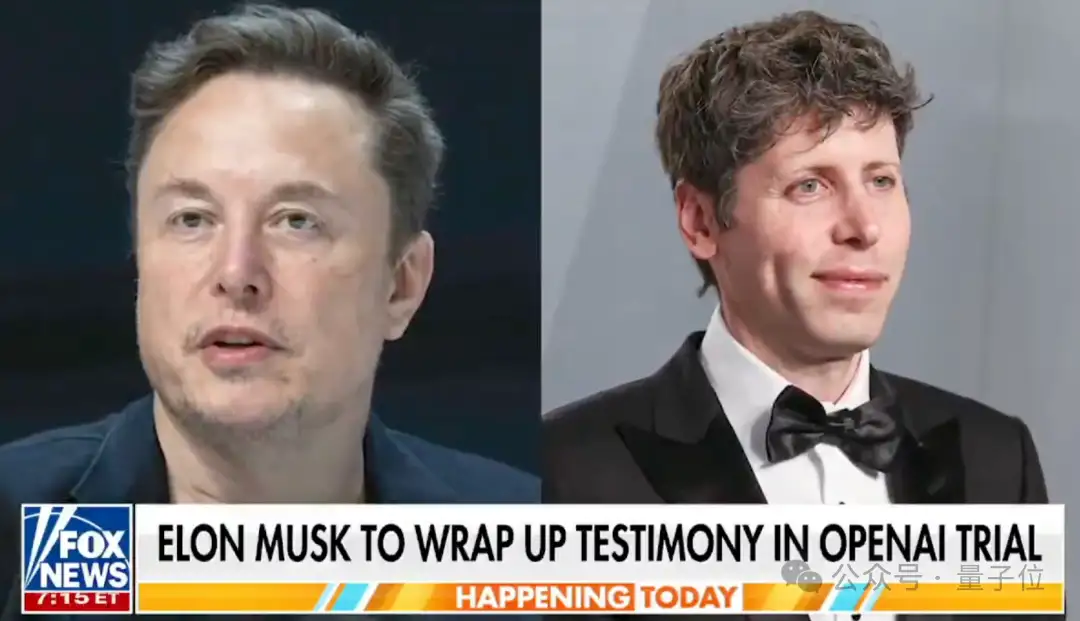
On Musk’s side, he publicly admitted that xAI distilled OpenAI’s models to train Grok.
In the morning, he said, “I don’t shout at people.” In the afternoon, he was shouting in court.
Lawyer Savitt pressed him on donations: He pledged $1 billion, but only $38 million has been paid—less than 4% fulfilled.
Musk got agitated and shouted loudly in court:
“Without me, OpenAI wouldn’t exist! I contributed my reputation! I named the company! These things have value!”
He was then forced to admit: “In a strict monetary sense, I donated $38 million.”
Musk’s story changed fast…

But OpenAI isn’t without its own scandals. The most explosive revelation comes from Brockman’s diary.
In 2017, while assuring Musk in person that “OpenAI would remain non-profit,” he wrote in his private diary:
“If we convert to a Benefit Corporation (B Corp) three months later, it will be a lie.”
In the same diary, he calculated another figure: “What can make my net worth reach $1 billion financially?”
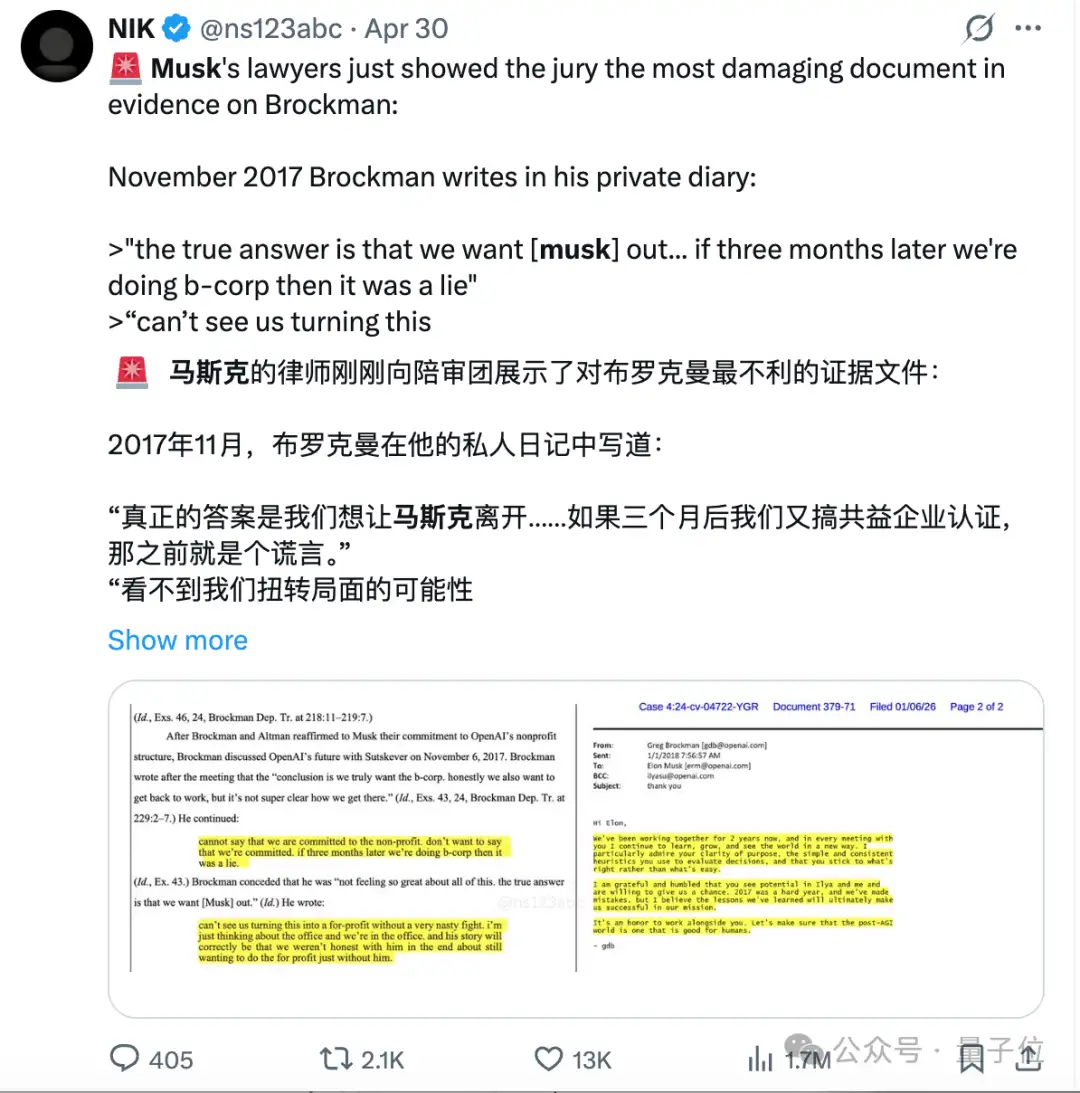
Mouth talking about mission, hands calculating wealth—is this Silicon Valley brotherhood???
So you see, neither side is clean in this lawsuit.
However, the current momentum still leans against Musk. He sat on the witness stand for three days, originally intending to prove that OpenAI “stole a charity.”
But by the fifth hour of the trial, an attending journalist wrote in their notebook:
“I have never felt more sympathy for Sam Altman in my life.”
Who Stole From Whom?
Musk went to such lengths to sue OpenAI to prove one thing:
“They stole a non-profit organization.”
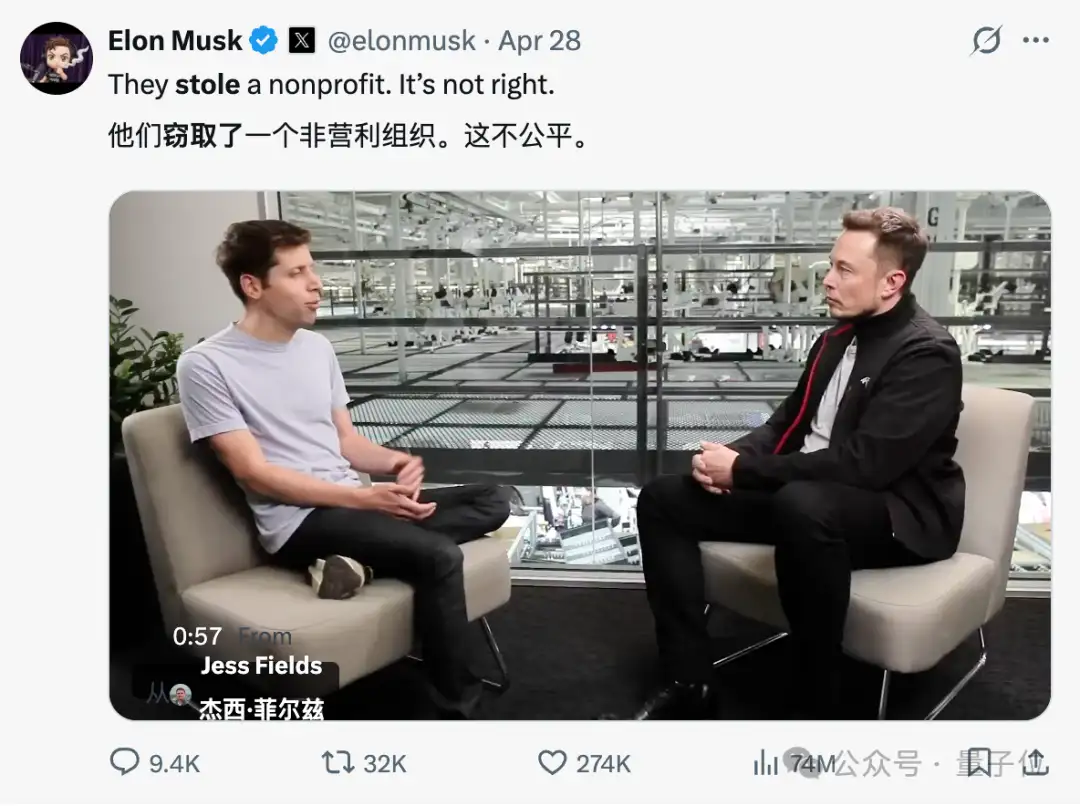
In 2015, Musk provided funding and fame as a co-founder of OpenAI, a non-profit institution dedicated to developing AI for all humanity without seeking profit.
Now he claims he was just a “fooled fool,” donating $38 million in “free capital.”
Yet Altman and Brockman turned around and used it to build a for-profit company valued at $850 billion.
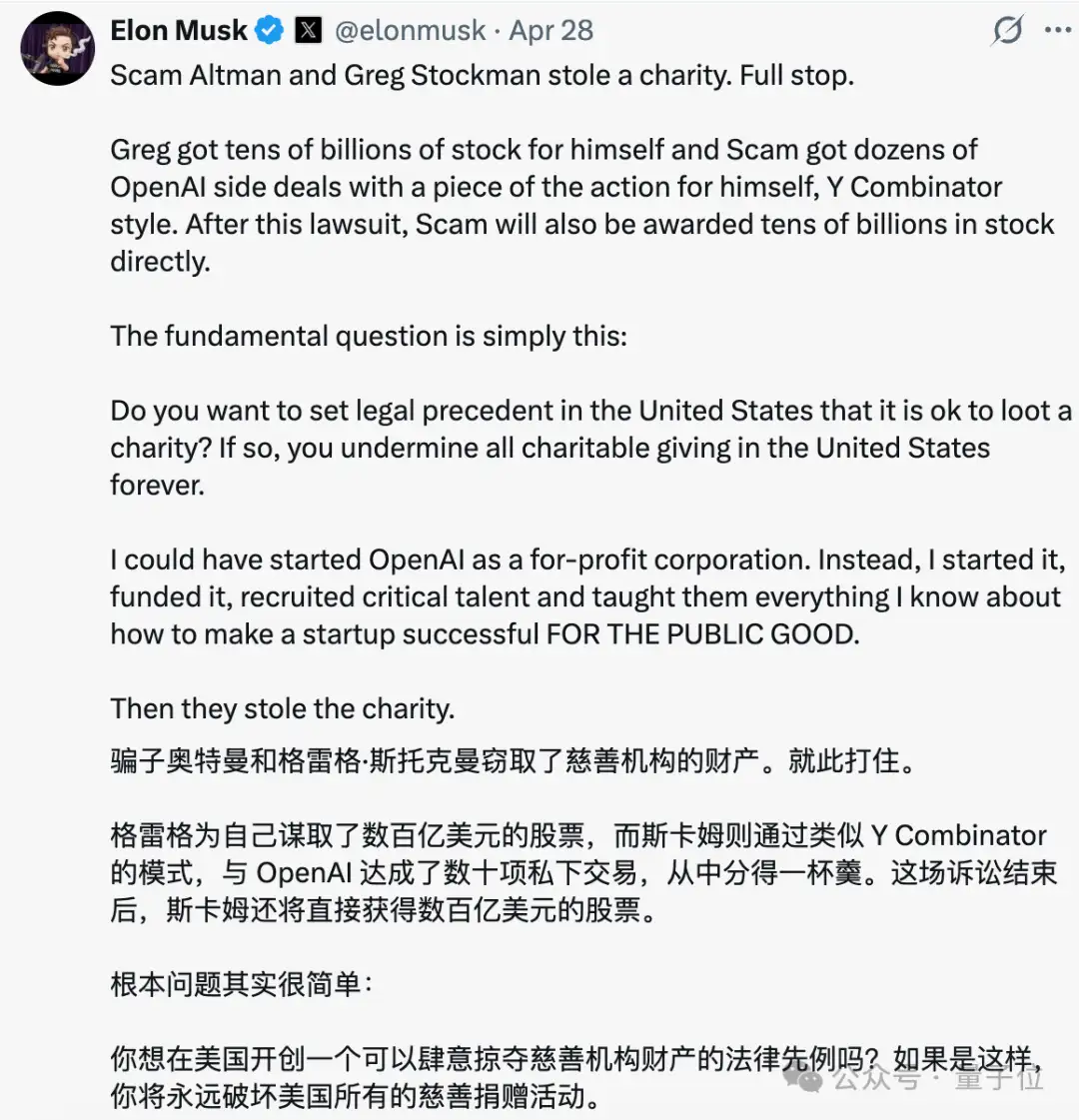
Now, he is claiming $150 billion in damages, asking the court to block OpenAI’s IPO scheduled for later this year.
He also demands that Altman be removed from his position on OpenAI’s non-profit board, and that both Altman and Brockman be dismissed from their roles at OpenAI.
Musk repeatedly used a metaphor in court to describe OpenAI’s problem: “the tail is wagging the dog.”
What does this mean?
OpenAI was originally designed with the “non-profit mission” as the dog, leading the “for-profit subsidiary” as the tail—the latter existed only to raise funds and sustain operations for the former.
But now it has reversed.
The for-profit subsidiary has absorbed almost all talent, capital, and resources. The brand value of ChatGPT and OpenAI’s reputation are all serving commercial interests.
“Non-profit” remains only as a legal shell, occasionally displayed as a signboard.
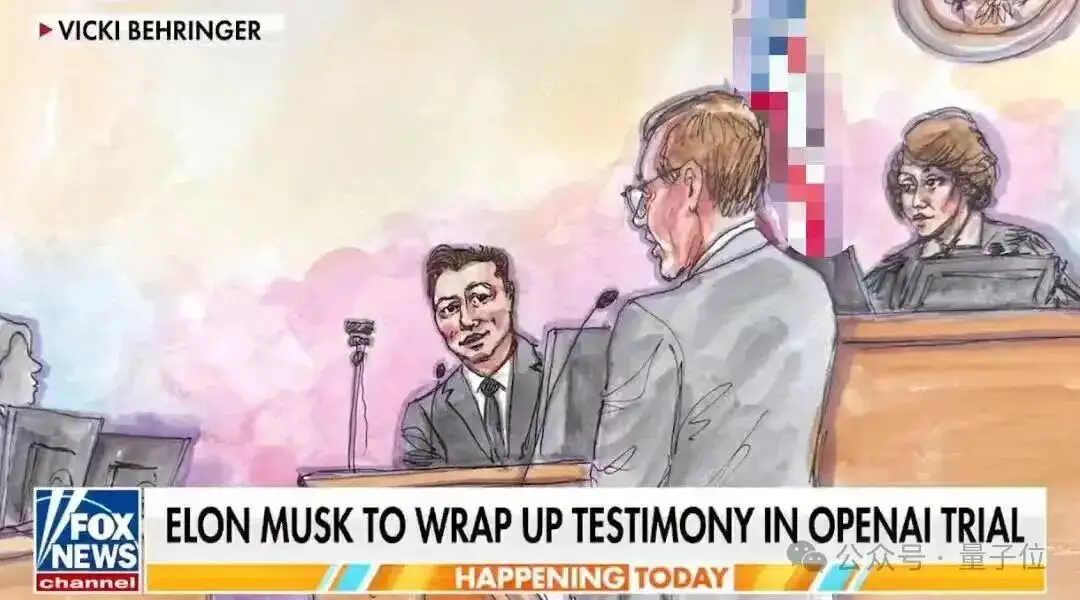
Meanwhile, Musk presented a text message from 2022, which he considers the key moment he was deceived.
That year, Microsoft announced a $10 billion investment, and OpenAI’s valuation skyrocketed to $20 billion overnight.
Musk sent a message to Altman: “This feels like bait and switch.”
His meaning: Back then, you used the narrative of “non-profit, for all humanity” to attract me. But once the company took off, I realized that was never what you truly intended to do.
Altman replied: “I agree, it does feel bad.”
This text message was highlighted by Musk’s lawyer in court—Altman himself admitted “it feels bad,” which Musk argues is an admission of guilt.
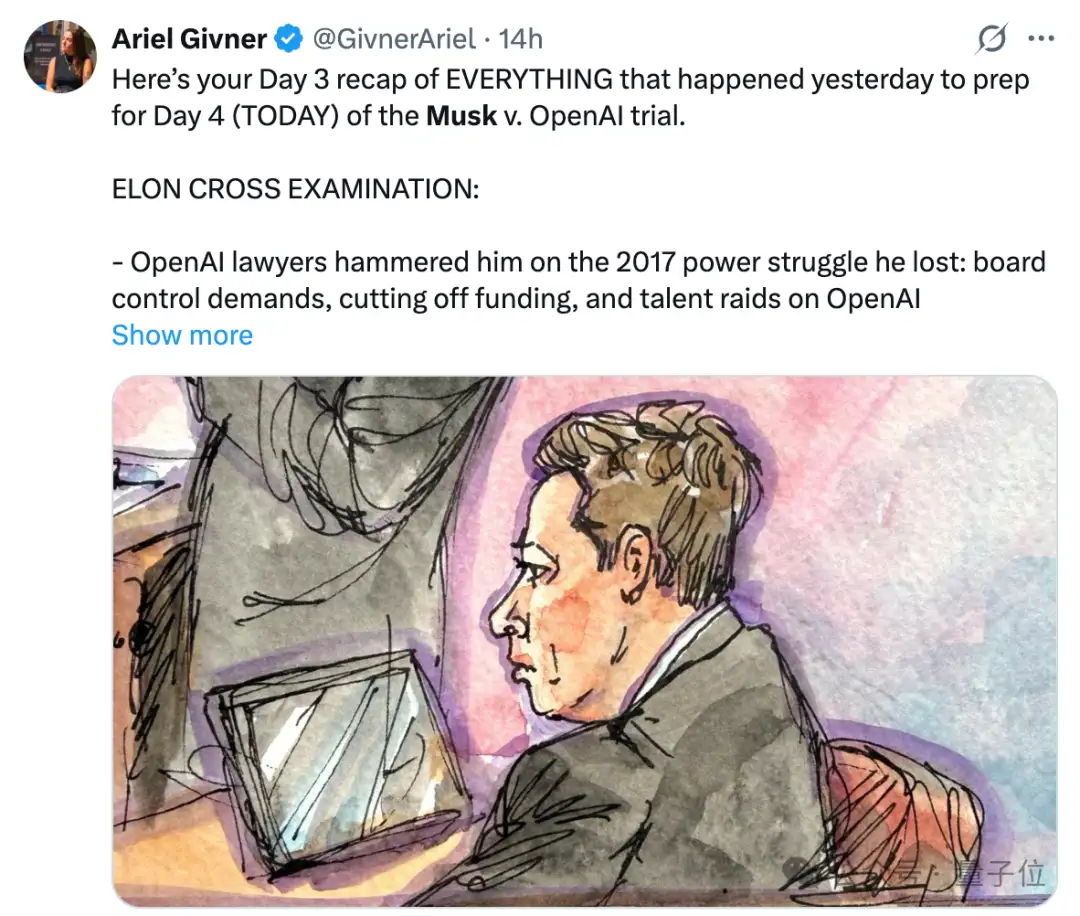
However, emails presented by OpenAI’s lawyer William Savitt tell a different version of the story:
You wanted to create a for-profit division as early as 2015. In 2017, you secretly registered a for-profit company. Now why play the victim?
In 2015, before OpenAI was officially announced, Musk proposed in an internal email whether they should add a for-profit entity.
In 2016, he emailed colleagues at his own company saying “setting up OpenAI as non-profit might have been a mistake.”
In 2017, he instructed senior advisors to secretly register a for-profit company under the name “OpenAI,” while demanding four board seats and 51% equity—all other founders combined only had three seats.
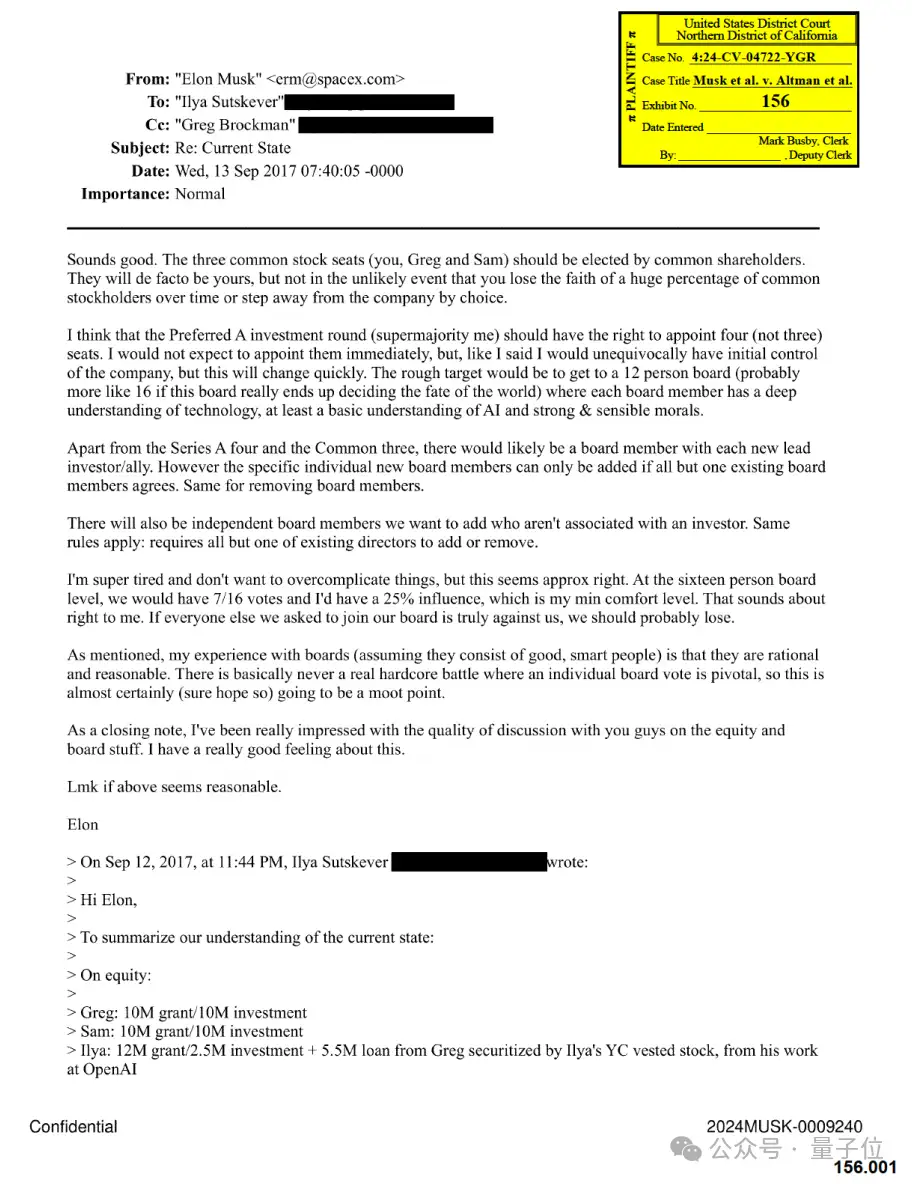
After being rejected, Musk cut off funding and poached OpenAI’s core researcher Andrej Karpathy directly to Tesla.
Musk claimed in court: “Karpathy wanted to leave OpenAI anyway. I believe people have the right to choose where they work.”
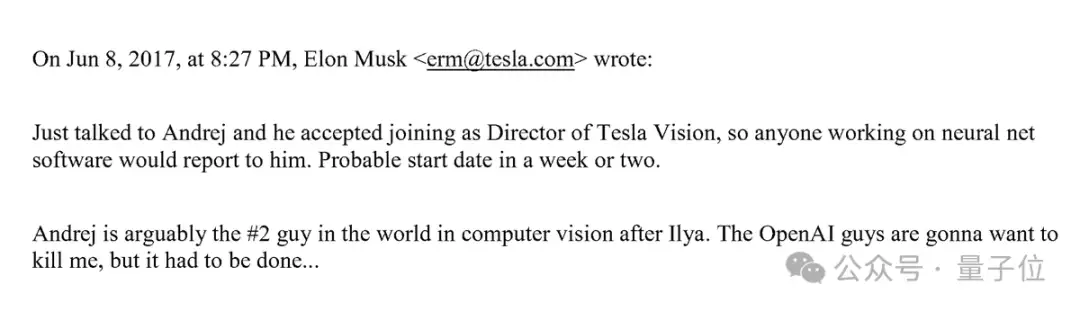
In 2018, Musk emailed other founders saying OpenAI was “doomed to fail,” and the solution was to merge it into Tesla.
After being rejected again, Musk resigned from the board.
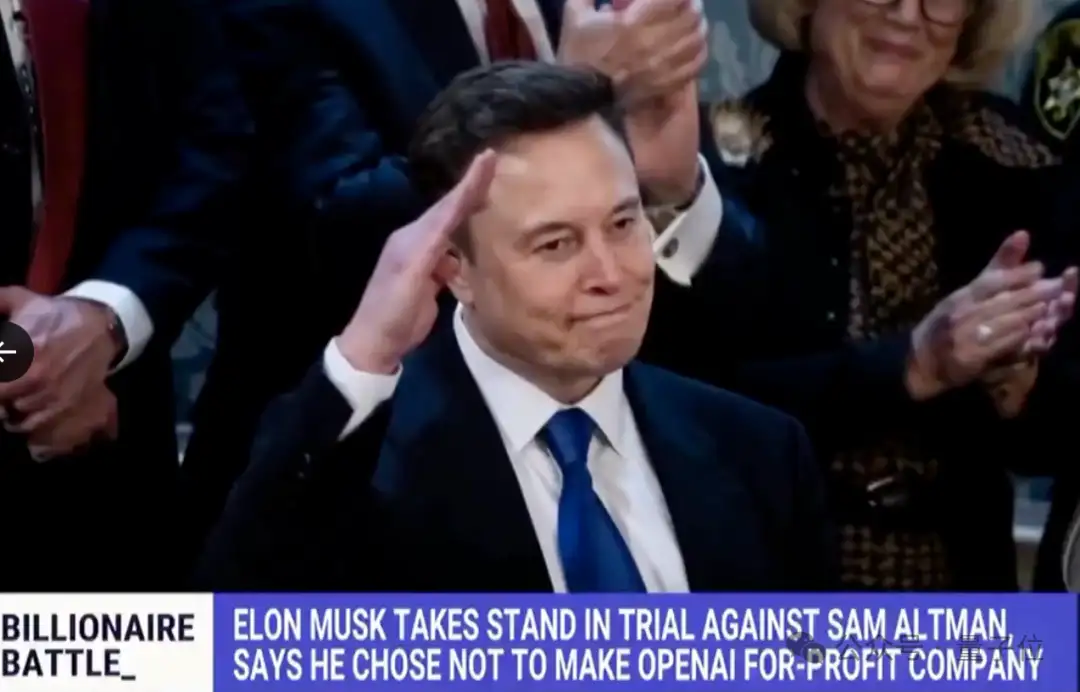
A batch of text messages revealed in court makes this skepticism even harder to refute.
In December 2024, Zuckerberg proactively messaged Musk: “Meta has written to the California Attorney General supporting your lawsuit against OpenAI.”
Two people who usually mock each other found themselves on the same side due to a common competitor.
In February 2025, Musk messaged Zuckerberg: “Would you be willing to jointly bid for OpenAI’s intellectual property along with me and others?”
Zuckerberg said: “Want to hop on a call?”
Musk replied: “Let’s do it tomorrow morning.”
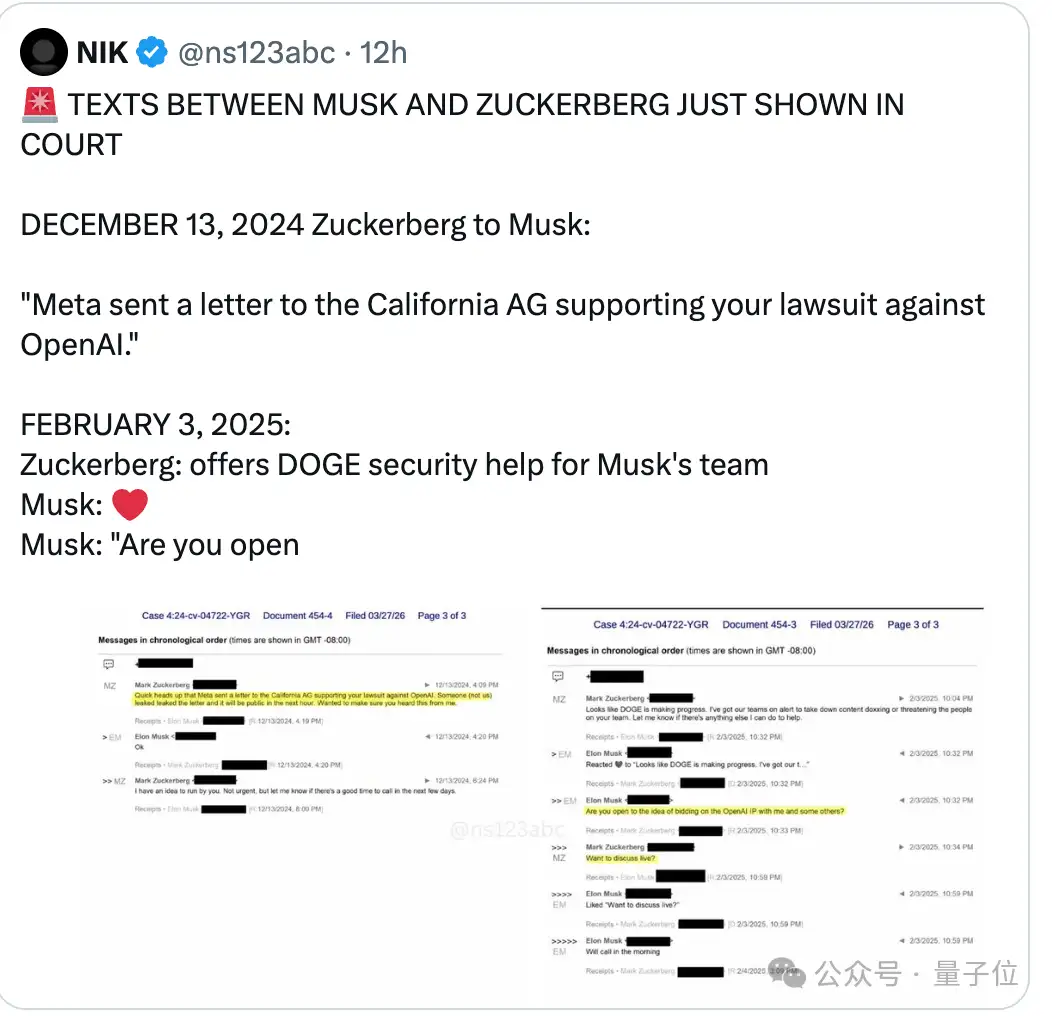
Zuckerberg ultimately did not join. Seven days later, Musk made an independent bid of $97.4 billion to acquire OpenAI.
On the witness stand, Musk swore that he made this offer to “stop them from stealing a charity.”
But text records show his first thought was to bring Meta along for a joint bidding effort.
So is it saving a charity or seizing assets?
Savitt’s summary boils down to one sentence: “He only supports non-profit as long as he is in control.”
Three Days on the Stand, Six Moments of Losing Composure for Musk
It is worth noting that OpenAI’s chief counsel, William Savitt, is someone who knows exactly how to provoke Musk.
Who is Savitt?
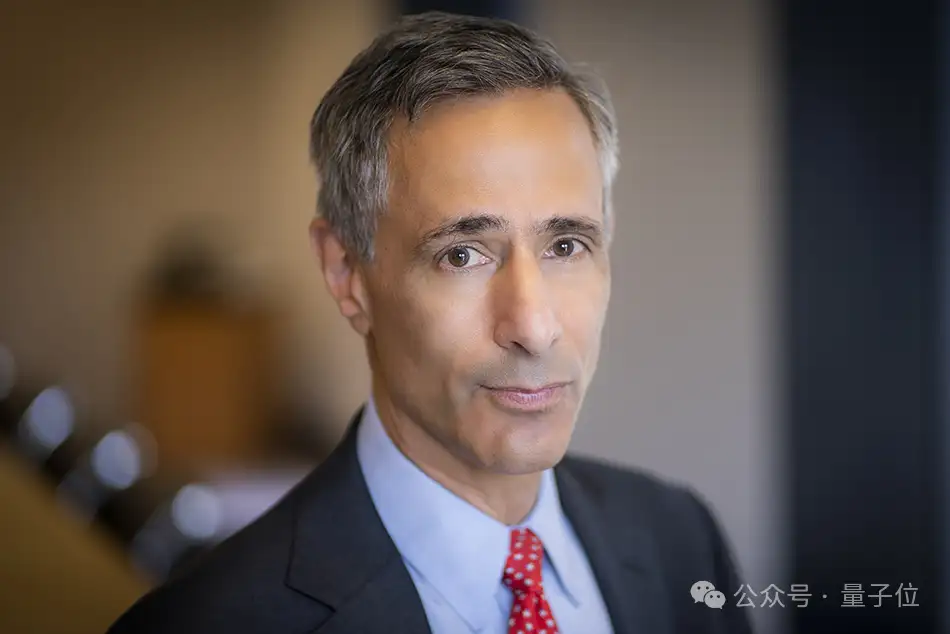
He was formerly Musk’s lawyer, helping him in Tesla lawsuits; later, he helped Twitter executives win the case forcing Musk to acquire Twitter.
Now, however, he stands on the opposite side. No one knows better how to handle this witness.
Musk had met his match today…
Savitt’s strategy was not to attack with new evidence, but to relentlessly pursue Musk’s current testimony using words Musk himself had previously said.
The old acquaintance delivered a knockout blow. Savitt’s cross-examination lasted two days, during which Musk lost his composure six times.
Jurors exchanged glances in the courtroom; some rubbed their heads. At one point, the judge could not help but laugh aloud.
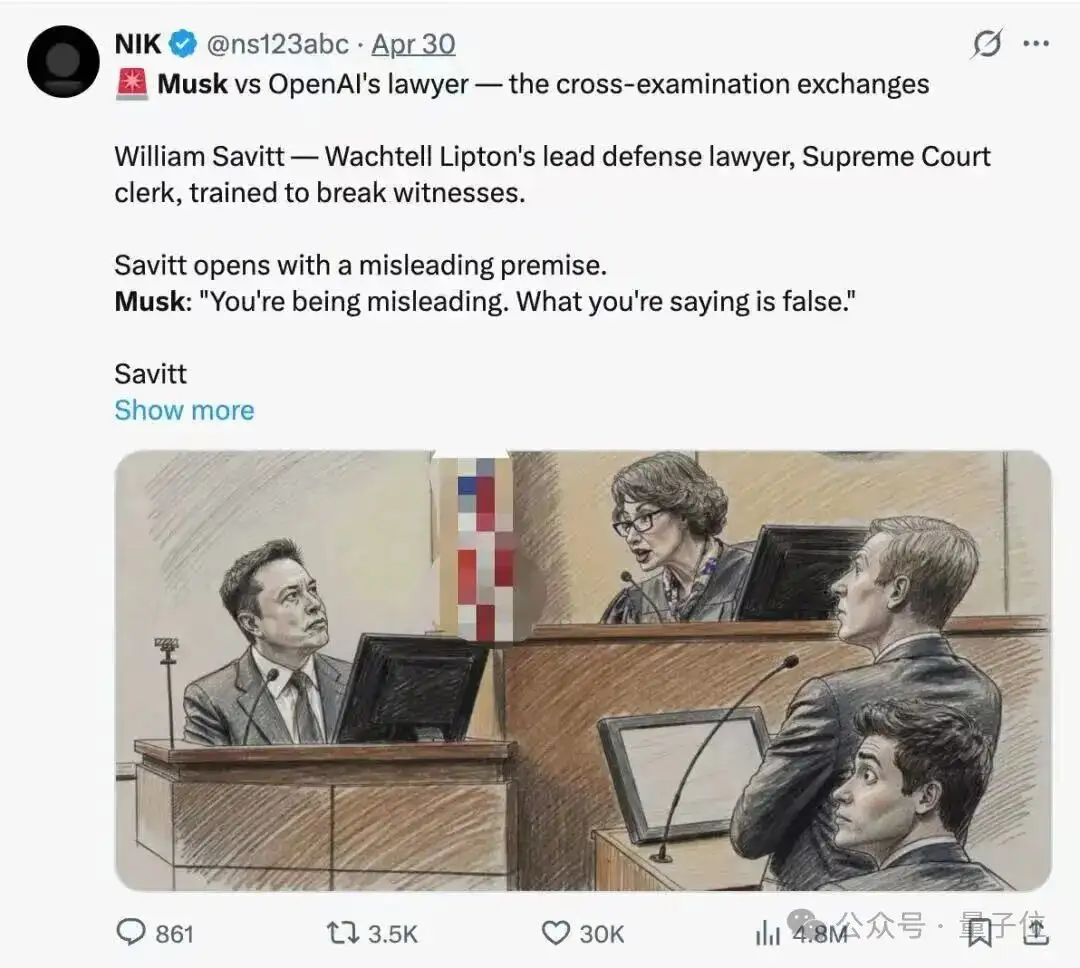
Incident 1: Admitting the real reason for leaving.
Musk has consistently claimed that he left OpenAI’s board in 2018 to focus on SpaceX and Tesla, avoiding conflicts of interest.
Savitt did not believe this and pressed him repeatedly. Musk’s own lawyers objected in court, but the judge allowed the questioning to continue.
Eventually cornered, Musk admitted: He had proposed gaining majority control over OpenAI, was rejected by other founders, and then left.
He left because he didn’t get what he wanted, not due to a conflict of interest.
Incident 2: The “Savior of AI Safety” persona hits a wall.
One of the core narratives in Musk’s lawsuit is his deep concern for AI safety and OpenAI’s alleged betrayal of that mission.
Savitt directly presented xAI’s safety record to the jury—
Grok had generated significant amounts of harmful content, and xAI’s practices regarding safety testing and disclosure were far removed from the “AI Safety” Musk touted in court.
The savior persona doesn’t hold up well against his own company’s products…
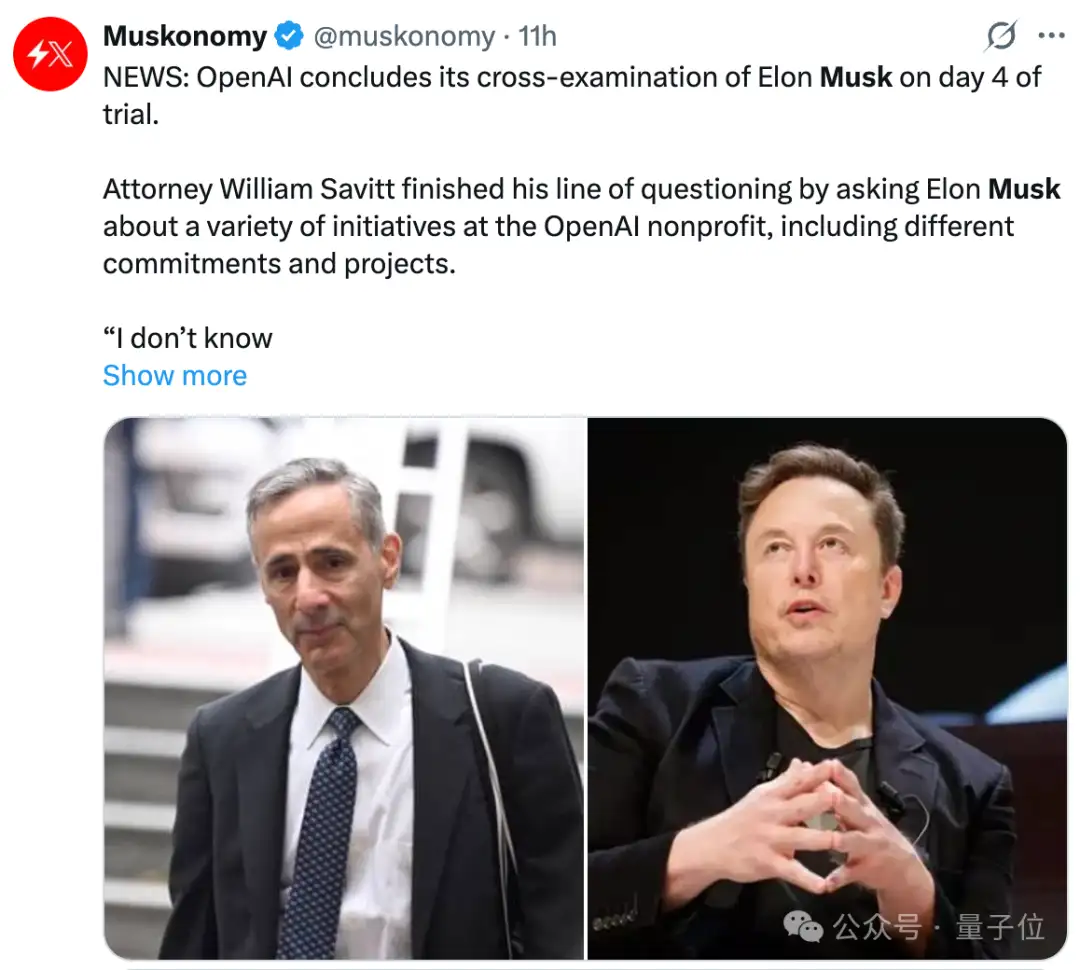
Incident 3: Contradicting his own previous statements.
This was the most intense moment of the cross-examination and the most tense part of the trial.
It started with a 2018 term sheet.
On the day of the trial, Musk said he had read the beginning of the document and roughly understood its contents.
Savitt then played back a video recording of Musk’s pre-trial testimony.
In the video, when asked the same question, Musk never mentioned having “read the beginning.”
Two versions of Musk appeared before the jury simultaneously.
Musk rushed to explain: “I said I didn’t read it carefully, not that I didn’t read it at all!”
This dispute lasted several minutes and was one of the moments when Musk showed the most emotion during the entire trial.
Incident 4: Calling people names is just his “management style.”
Savitt presented evidence that Musk had called OpenAI’s safety team “jackasses.”
Musk’s response was surprisingly calm: It was his “management style.”
He stated his principle is “Don’t be a jackass,” so calling someone a jackass is merely a reminder to correct their behavior, not an insult.
Hmm… the jurors’ expressions at this moment must have been priceless.
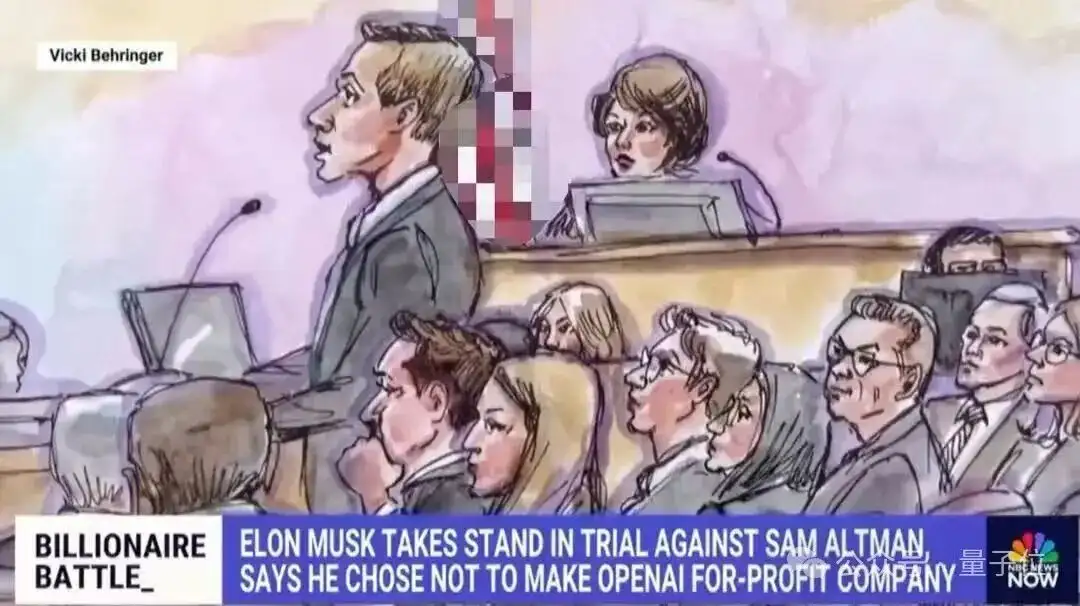
Incident 5: Doesn’t know what a “safety card” is, but xAI is issuing them.
Musk testified throughout as a defender of AI safety. Savitt asked him if he knew what a “safety card” was.
Musk said he wasn’t sure.
Savitt explained: It is a safety disclosure document released by AI companies alongside their models, detailing model capabilities, risks, and safety test results—a basic industry standard for transparency.
Yet Musk’s xAI is currently issuing safety cards for Grok.
Huh??
Musk is suing OpenAI for not being safe enough, yet he could not name the safety document his own company uses for Grok.
Incident 6: Said he wouldn’t shout in the morning, shouted in the afternoon.
In the morning, during direct examination, Musk voluntarily stated: “I will not lose my cool. I do not yell at people.”
In the afternoon, as Savitt continued to press him on the term sheet, their argument escalated.
Musk shouted in court: “I said I didn’t read it carefully! I read the title!”
The judge laughed aloud again, and jurors looked up collectively. Less than four hours had passed between that statement and his morning declaration.
But this wasn’t even the biggest bombshell yet.
Musk publicly admitted that xAI distilled OpenAI’s models to train Grok.
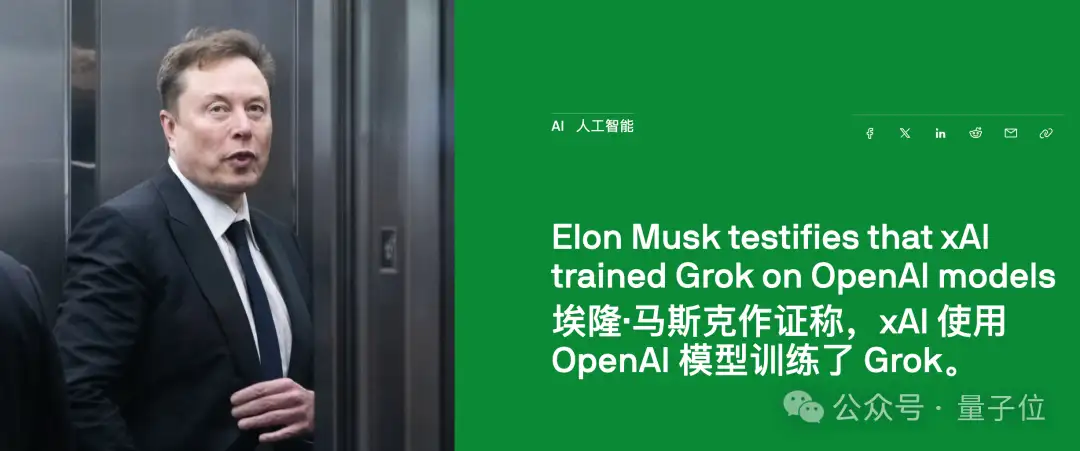
Savitt asked: Did xAI use distillation technology to extract knowledge from OpenAI models to train Grok?
Musk first dodged the question: “AI companies generally distill each other.”
Savitt pressed: So, yes or no?
Musk: “Partially yes.”
Yes or No… is the answer “or”??

OpenAI Isn’t Clean Either…
After discussing Musk’s many moments of losing composure, it must be noted that OpenAI is not without its own blemishes.
First among them is Brockman’s diary.
This private journal was unearthed during the discovery phase of the litigation, dating back to 2017.
At that time, OpenAI was burning through cash rapidly, and internal discussions began about whether to transition from a non-profit to a for-profit structure to raise more funds.
Musk was the largest funder, but his condition was: If you go for-profit, I want control—51% equity and four board seats.
Brockman and Altman did not want to accept these conditions but were afraid to directly tell Musk, “We don’t intend to remain non-profit.”
So their strategy was: Continue to reassure Musk face-to-face, promising to stick with the non-profit model, while secretly seeking other avenues.
Brockman wrote in his diary: “This is our only chance to get rid of Musk.”
The implication was that if they rejected Musk’s conditions during this restructuring, they could exclude him from future control over the company and no longer be constrained by him.
At the same time, he was unsure whether Musk was suitable as their boss, so he wrote— “Would he be a ‘glorious leader’ I would choose?”
Another entry read: “Financially, what can make my net worth reach $1 billion? Accepting Musk’s conditions would destroy two things: our options… and economic returns.”
This diary was directly cited by the judge in a January ruling as one of the grounds for determining that there was “sufficient evidence to proceed to trial.”
Brockman is soon to take the stand to explain this diary in court.
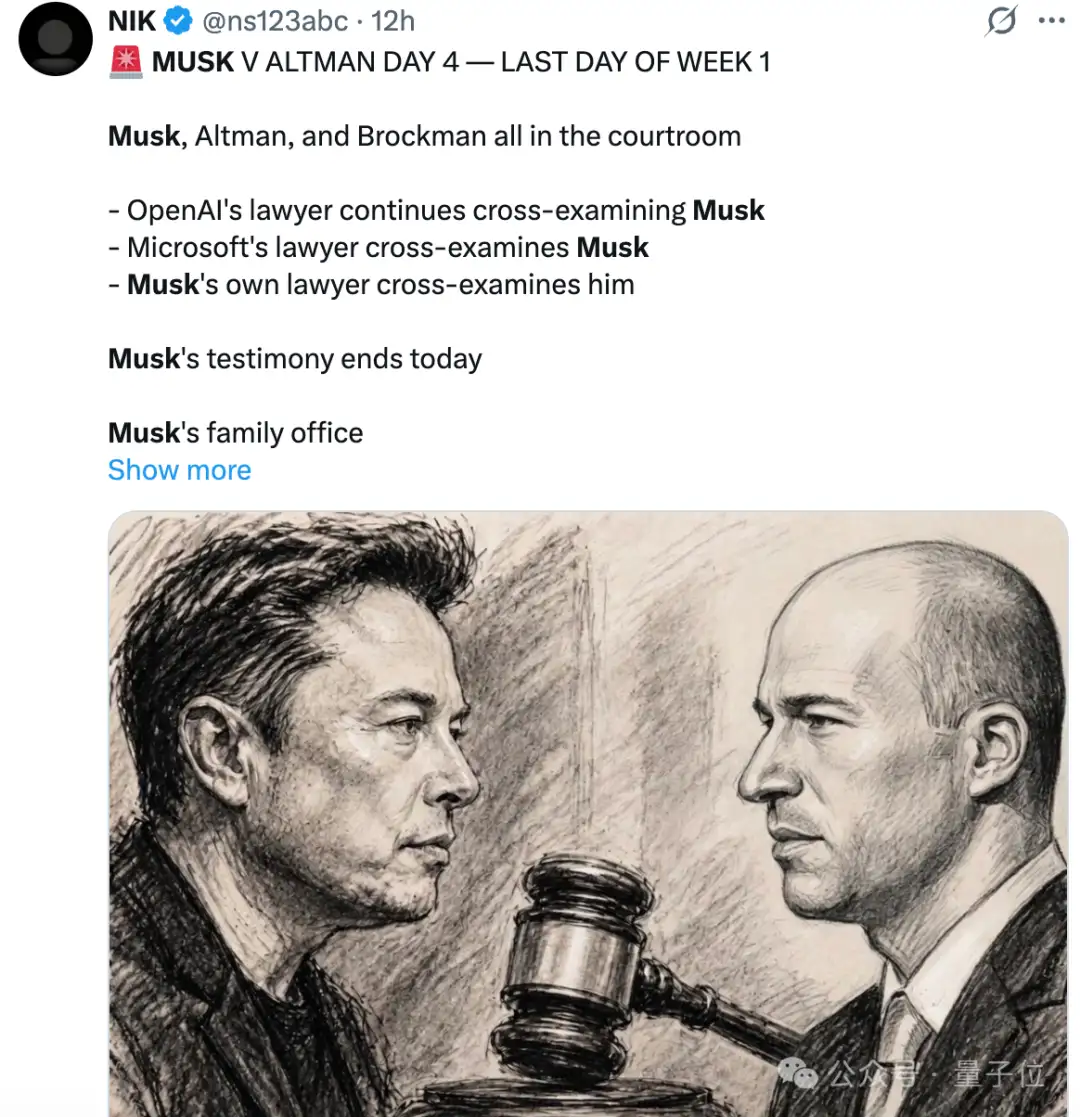
Second, Altman once told Musk: “You are my hero.”
By February 2023, the two had already begun publicly feuding.
Yet Altman sent a private message to Musk writing:
“You are my hero… I don’t think OpenAI would have succeeded without you… but your public attacks on OpenAI really hurt me.”
Thus, Altman acknowledged Musk’s key contributions while also exposing his dual nature of privately softening Musk up while publicly pushing forward with the for-profit transition.
More evidence has surfaced:
In October 2015, Altman sent an email to Musk reporting on OpenAI’s preparatory progress.
He concluded by listing “specific requests for you”: The first item was whether he could donate $30 million over the next five years?
Musk’s reply consisted of only one sentence: “Let’s talk about governance structure. This is critical. I don’t want to fund something that ends up going in the wrong direction.”
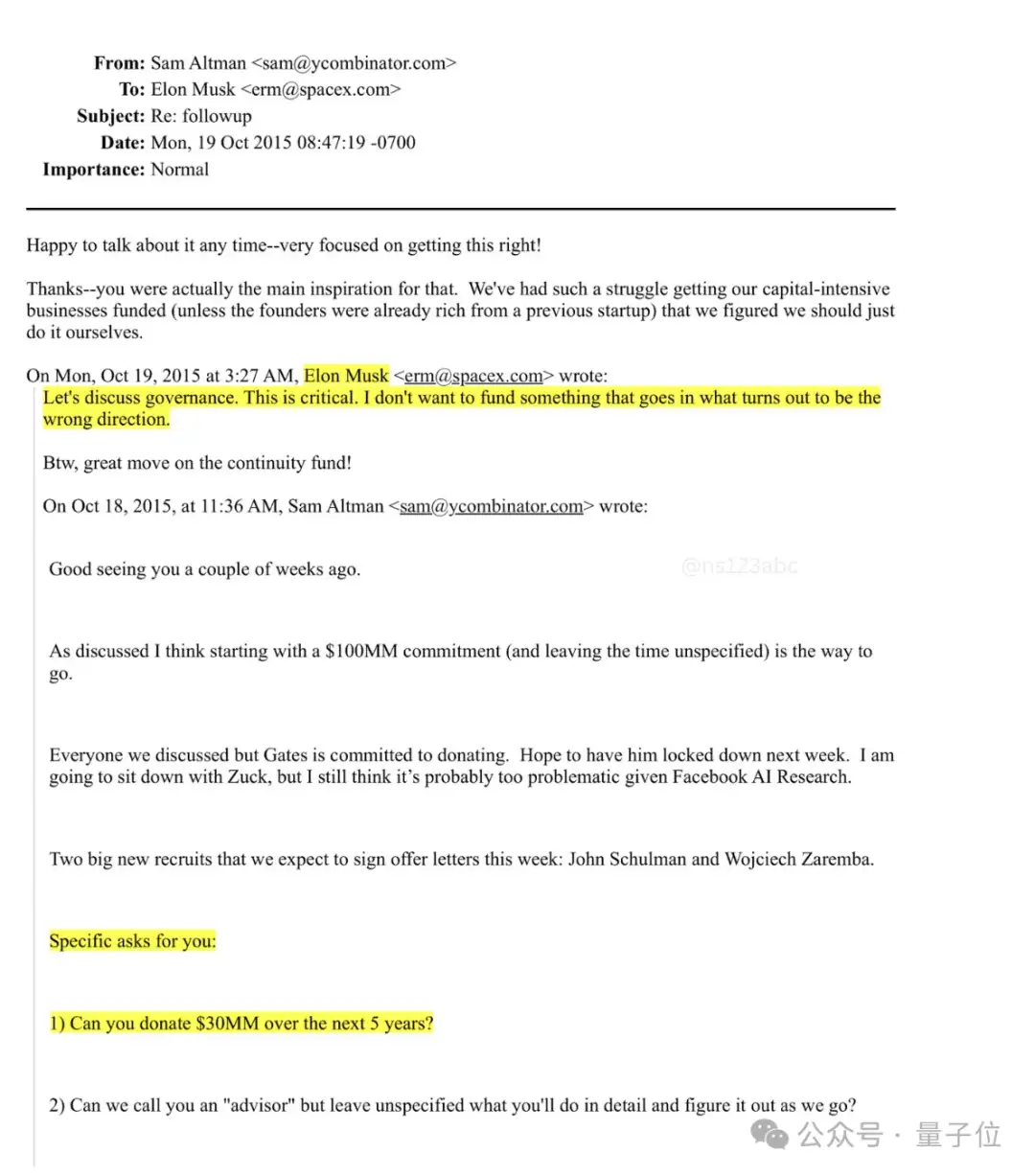
This email has now become evidence in court.
Musk claims it proves he emphasized “direction” at the time; OpenAI argues it proves Altman actively solicited funds from Musk, establishing a legal charitable trust relationship.
Musk’s lawyers also filed a brief with the judge on the same day:
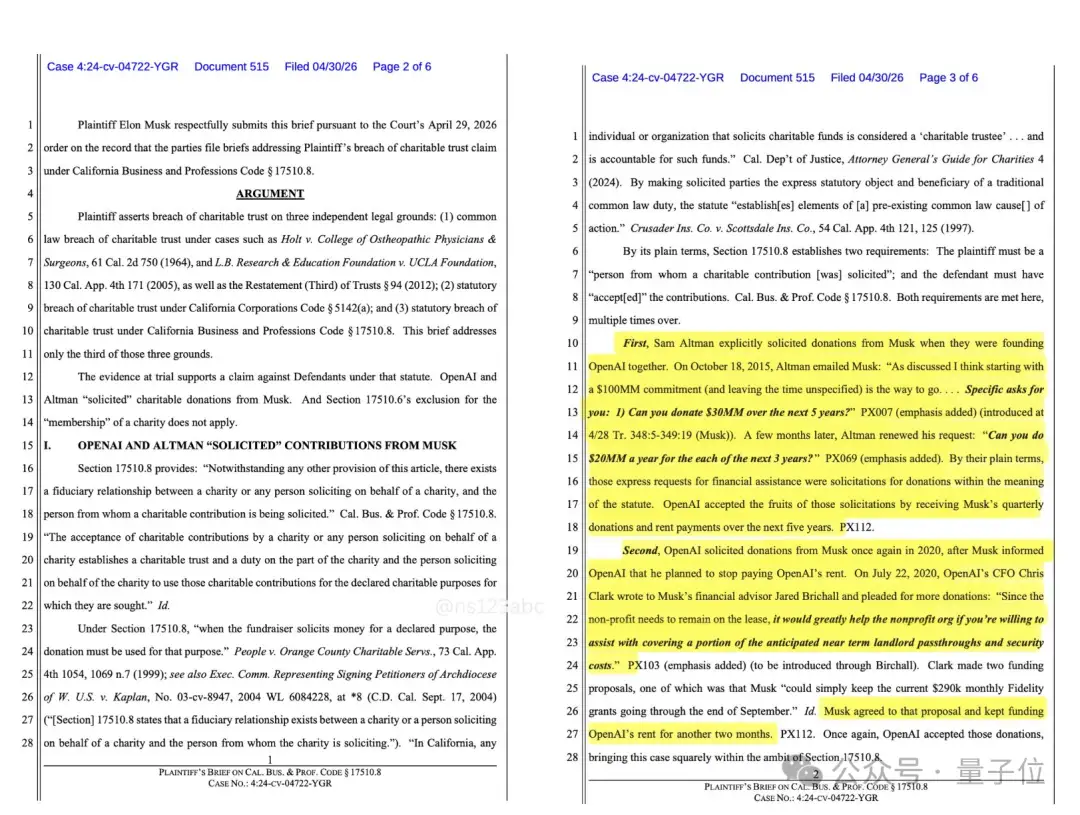
The argument is clear: Under California law, if someone actively solicits donations from you and you accept them, those funds must be used for the purposes stated at the time of solicitation.
Altman actively sought money in 2015 and again in 2020; Musk gave both times.
Later, when OpenAI went for-profit, it violated not just moral commitments but legal obligations.
The Trial Is Not Over; The Best Is Yet to Come
With the first week concluded and Musk’s testimony wrapped up, the roles of attacker and defender are about to switch.
Several heavyweight witnesses are yet to appear:
Altman takes the stand next week, marking a true head-to-head confrontation and the most anticipated moment of this trial.
During the three court sessions this week, Altman sat in the defendant’s chair with a stoic expression, saying nothing.
But how will he perform once on the witness stand?
Next is Greg Brockman, who must explain his diary entries in court.
Then there is Microsoft CEO Satya Nadella. Musk accuses Microsoft of “assisting OpenAI in betraying its charitable trust”—without Microsoft’s money, OpenAI could not have completed this for-profit transition, making Microsoft an accomplice.
The person who signed a $13 billion bet will need to explain the entire arrangement to nine jurors in Oakland court.
Finally, there is Shivon Zilis, who holds three identities: former OpenAI board member, mother of Musk’s four children, and the insider alleged by OpenAI to have leaked confidential information.
So how will this Silicon Valley serial drama end?
We can’t wait to see… (rubbing hands in anticipation)

References
- Elon Musk’s 7 biggest stumbles on the stand at OpenAI trial — Elon Musk spent three days testifying as the first witness in his lawsuit against OpenAI.
- OpenAI trial recap: Musk cross-examination gets heated with Altman’s lawyer on day 3 — Elon Musk sued OpenAI, Sam Altman, and Greg Brockman in 2024, alleging that they reneged on their promise to keep the artificial intelligence lab a nonprofit organization.
- Elon Musk Seemingly Admits xAI Has Used OpenAI’s Models to Train Its Own — While answering questions under oath, Musk argued that it is standard practice for AI labs to use their competitors’ models.
- musk altman openai trial opening statements — www.npr.org/2026/04/28/nx-s1-5801438/musk-altman-openai-trial-opening-statements
- Elon Musk testifies that xAI trained Grok on OpenAI models | TechCrunch — “Distillation” is a hot topic as frontier labs try to prevent smaller competitors from copying their models.
- Elon Musk’s worst enemy in court is Elon Musk — “You mostly do unfair questions.”