With only three full weeks left until the start of the new year, we stand at a pivotal moment to ask: How should we describe the current stage and challenges of the industrial internet?
“In the pursuit of survival through transformation, the thinking and practices of industrial internet enterprises are deepening, forming three strategic directions that serve as the keys to unlocking the new cycle: Industrial AI, Deep Value Chains, and Going Global. These will drive high efficiency and profitability, fostering digital supply chain platforms for large-scale organizational ecosystem collaboration, industrial digital-intelligent technologies, and platform-based brands,” said Zheng Min, Chairman of Ebrun Power and Dean of Ebrun Think Tank, at the 2025 Ebrun Industrial Internet Annual Conference.
Since the “Year One” of the industrial internet in 2019, Ebrun has accompanied the industry through its startup and development phases. In 2025, Ebrun believes that while the fundamentals of the industrial internet remain unchanged—characterized by a long slope and thick snow (steady, long-term growth)—the cycles are rotating.
At this critical juncture of cycle rotation, the 2025 Ebrun Industrial Internet Annual Conference gathered dozens of decision-makers from leading enterprises and industry experts, attracting nearly a thousand practitioners to Beijing’s China World Trade Center to discuss the “New Cycle.”
Song Zhiping, a renowned management expert and Chairman of the Association for Listed Companies in China, noted that while past high growth prioritized speed and scale, slowing growth now emphasizes quality and efficiency. “This is a very profound change,” he said. Pan Yong, Director and Senior Vice President of Guolian Shares, added that helping small and medium-sized enterprises (SMEs) and traditional industries better navigate the future is what the industrial internet is doing and must continue to do. “When others succeed, you make money; when others fail, you survive. This requires recognizing your own positioning and fulfilling your role in the industry,” he stated. Liu Taoran, President of Lange Group, emphasized the need to persist in doing things that are “one meter wide but a hundred meters deep.”
During this annual industrial internet gala, Ebrun Think Tank released the 2025 Industrial Internet Development Report. The “Value Creation and Cooperation” 2025 Industrial Internet Decision-Makers Closed-Door Meeting and the “Night of Thousand Peaks” (Qianfeng Ye) were also held concurrently. (See: Qianfeng Awards Announced).
This article organizes the conference content according to these three strategic directions, presenting corporate thinking and practices for readers.

Industrial AI: The Engine of the New Cycle
Understanding market trends is essential for making significant profits; this is almost an iron law in bulk commodity trading. Behind sharp price fluctuations lie hidden opportunities and risks. Liu Taoran, President of Lange Group, stated that using AI tools to predict futures and spot prices offers calculation speed and capacity far exceeding human analysts, replacing previous methods of guessing market trends based on experience or gambling on the market.
This is not an isolated case. In 2025, financial reports from many listed industrial internet companies revealed the presence of AI, which has penetrated into R&D, production, logistics, sales, and decision-support scenarios. This year marked a clear shift toward “pragmatism” in AI adoption, moving away from parameter-chasing model competitions to deep cultivation and large-scale application within specific scenarios.
Vertical industrial platforms are the main battleground for AI implementation. From an application perspective, enterprises must first solidify their data foundations and break down information silos to effectively utilize AI. Vertical industrial platforms possess natural advantages in driving large-scale AI applications due to their high-quality data covering the entire chain, deep understanding of the industry, and market base linking massive numbers of enterprises.
“The industrial internet itself is a platform that connects the entire industrial chain online and accumulates key industrial scenarios and data,” said Wang Ke, Senior Vice President of Nongxin Digital Intelligence. “With these foundations in place, AI becomes a very powerful tool. We have abundant data to nourish AI, making its implementation in industrial scenarios smooth.”
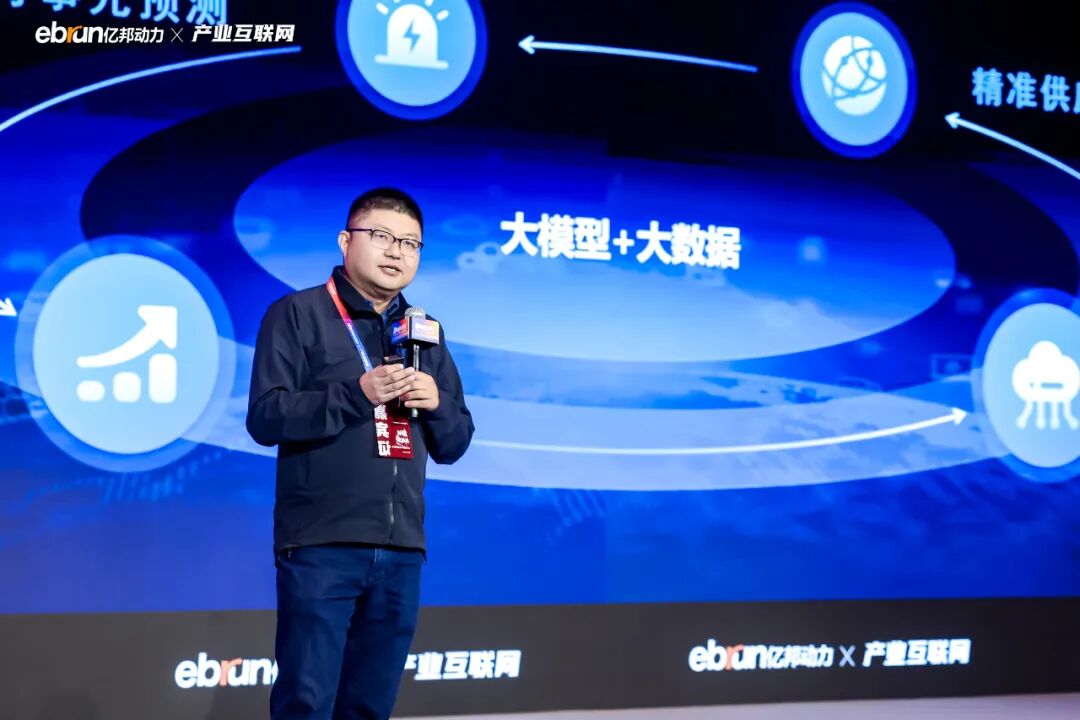
Wang Ke, Senior Vice President of Nongxin Digital Intelligence
However, using AI in the industrial internet is not simple “appropriationism”; rather, it adopts a strategy of “Large Models for Navigation, Small Models for Execution.” According to Ding Deming, Vice President and General Manager of Strategic & Business Development at JD Industrial, large models solve problems related to expert brains and underlying knowledge bases, while small models in different domains handle execution. Agents perform efficient collaborative scheduling, thereby constructing a professional, reliable, economical, secure, and feasible path.
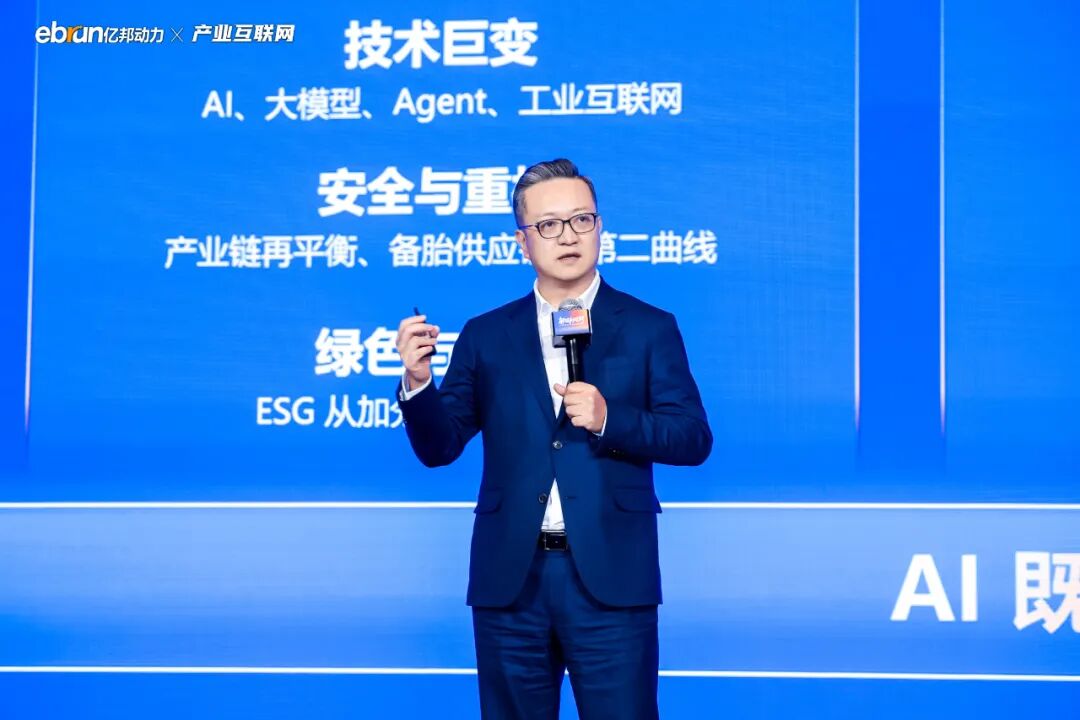
Ding Deming, Vice President and General Manager of Strategic & Business Development at JD Industrial
In 2025, a batch of agile enterprises has built dedicated AI models based on industry knowledge and data to solve various pain points. According to incomplete statistics, over the past three years, domestic “≤10B parameter” small models have become the fastest-growing segment in the large model landscape, with their release share rising from approximately 23% in 2023 to over 56% in 2025.
For example, Zhenkunhang’s self-developed industrial AI large model, “Xingjia Linglong,” achieved a product selection accuracy rate of 98%, compared to 66% for general large models and only 30% for traditional models. Nongxin Digital Intelligence serves tens of thousands of pig farms; supported by AI, smart hardware, and real-time data, algorithms can now effectively manage pig farming operations.
“For instance, the feeding model focuses on growth speed after feed consumption. It is not a general model but allows enterprises to build their own proprietary models,” Wang Ke explained. Previously, an inventory count at a pig farm took 10–15 days; with AI and smart cameras, it now takes only two to three minutes, enabling financial innovations. In the past, a plant manager could oversee 5,000 or 50,000 pigs; now, they can manage 500,000, 5 million, or even 50 million pigs, using AI assistance for core decision-making.
Agents Bring Opportunities for Industrial Internet Upgrades. How to pass on the experience of excellent employees to more people? How to make implicit internal knowledge explicit? How to reduce simple, repetitive labor? In fact, these have become possible with the emergence of AI Agents.
Industrial Agents solve the “last mile” problem of integrating large models with industry. For example, at JD Industrial, employees consider how to use AI to improve efficiency, while departments focus on using AI to address compliance and risk control issues. At Yunzhonghe, AI Agents are already applied in scenarios such as member marketing, digital benefits, corporate centralized procurement, and private domain e-commerce.
Dong Hui, Chairman of Yunzhonghe, believes that AI is not just about cost reduction and efficiency improvement; top executives must shift their perspective from the tactical view of “how to improve efficiency” to the strategic view of “how the enterprise moves toward transformation.” Currently, AI Agents are being used at the strategic and management levels. Zhao Fengwei, Founder and CEO of Duan Dian Technology, stated that AI consultants not only provide insights into global business operations and decision-support capabilities but also offer risk decisions and recommendations for specific metrics and business progress.
Correspondingly, SMEs are also leveraging platform AI tools to achieve capability leaps. They mostly adopt strategies and paths of “following the platform, leading the platform, and transcending the platform.” In 2025, many platforms have made industrial AI a key strategic direction, opening related product capabilities to upstream and downstream enterprises.
For instance, 1688 launched an AI version of its App, an AI version of its Chengxintong (TrustPass) service, and AI agents this year, encouraging merchants to open stores on 1688 and do business with AI. According to data disclosed by the platform, in the first month of operation for the Chengxintong AI version, merchant GMV grew by 73%, inquiries increased by 15%, buyer numbers rose by 20%, and repurchase rates improved by 31%.
Opening up AI capabilities on platforms not only helps merchants reduce costs, improve efficiency, and achieve data-driven operations but also supplements capabilities and lowers barriers. This brings capability upgrades to SMEs and promotes the rise of new organizational forms such as “one-person companies” and “smart production lines.” (Reference: Ebrun’s Zheng Min: What Does AI Equality Mean for SMEs?)
According to cases in the 2025 Industrial Internet Development Report, Shu Kai, a second-generation successor to a Yiwu towel factory, used AI design to quickly produce circular beach towels suitable for the Tunisian market, tripling design efficiency. The Dongguan Niuding Titanium Jewelry Factory activated the Chengxintong AI version and completed over 40,000 orders in just 15 days, rising to the top of the platform’s nose ring category.
“Originally, you had to conduct market research, R&D, production, and distribution sales from scratch. Now, you can hand over low ROI tasks to platforms with stronger capabilities and differentiation, focusing your efforts on accumulating core competencies,” said Steven, General Manager of 1688 Industrial Intelligence Alliance. “What ultimately forms may be the true form of industrial interconnection.”
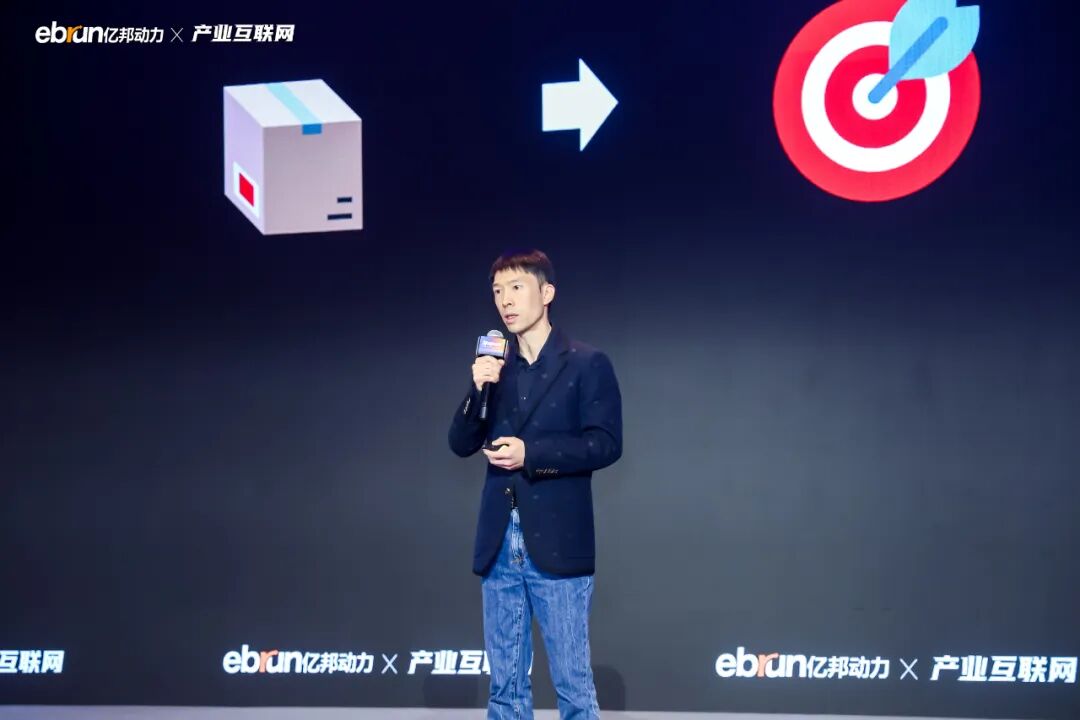
Steven, General Manager of 1688 Industrial Intelligence Alliance

Deep Value Chains Will Not Stop at Transactions
China is the country with the most complete industrial categories in the world, with total industrial supply chain costs reaching 115.19 trillion yuan in 2024. Ding Deming, Vice President and General Manager of Strategic & Business Development at JD Industrial, believes that while each industry may be “one meter wide,” connecting deep nodes in the supply chain is equivalent to extending it “100 meters deep.” This goes beyond transactions to release the space for full-link collaborative effects.
“To date, China’s industrial sector has not completed its transformation,” Ding said. “This requires a long process, possibly five or ten years.” Entering a new stage, AI acceleration and penetration are driving changes in supply and demand structures. It is not just about reducing costs and improving efficiency but also reconstructing supply chain structures to form new value spaces. This makes the deep value chain the second key to unlocking the new cycle.
Currently, explorations and practices at the industrial level have blossomed in multiple directions. Ebrun Power & Ebrun Think Tank has long conducted tracking research on the industrial internet. Based on the thinking and practices of advanced enterprises, we propose a three-dimensional structure for deep value chains:
- Vertical Integration: Breaking down data silos across “production, supply, and sales” to achieve demand-driven production and agile response;
- Horizontal Integration: Integrating technical, financial, park, and other supply chain supporting resources to build a stable and efficient service ecosystem;
- Breaking Through Standards, R&D, Brands, and Data Assets: Reconstructing value upwards to thicken profit margins.
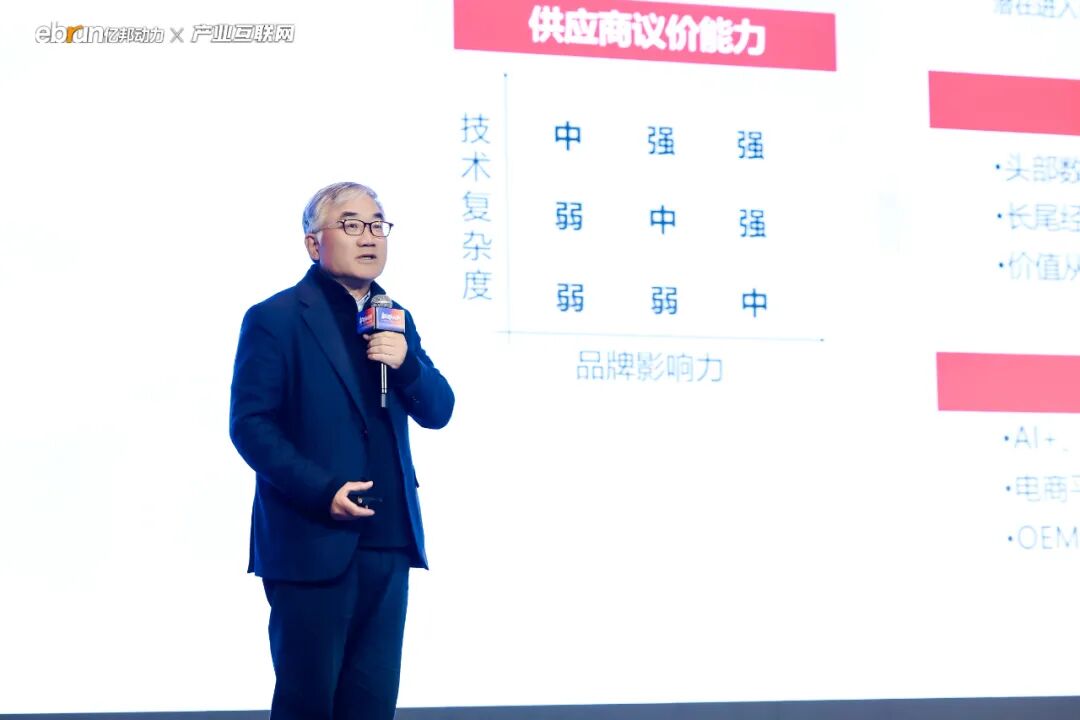
This three-dimensional structure promotes the transformation of industrial chains from linear “cost competition” to networked ecosystems of “value symbiosis,” serving as the core practical framework for releasing the vast potential for value creation in the industrial internet. “A forest cannot consist of only one tree; it needs other trees, flowers, and grass—that is an ecosystem,” Song Zhiping also noted. “(The industrial internet) involves both competition and cooperation, actively maintaining industry interests.”
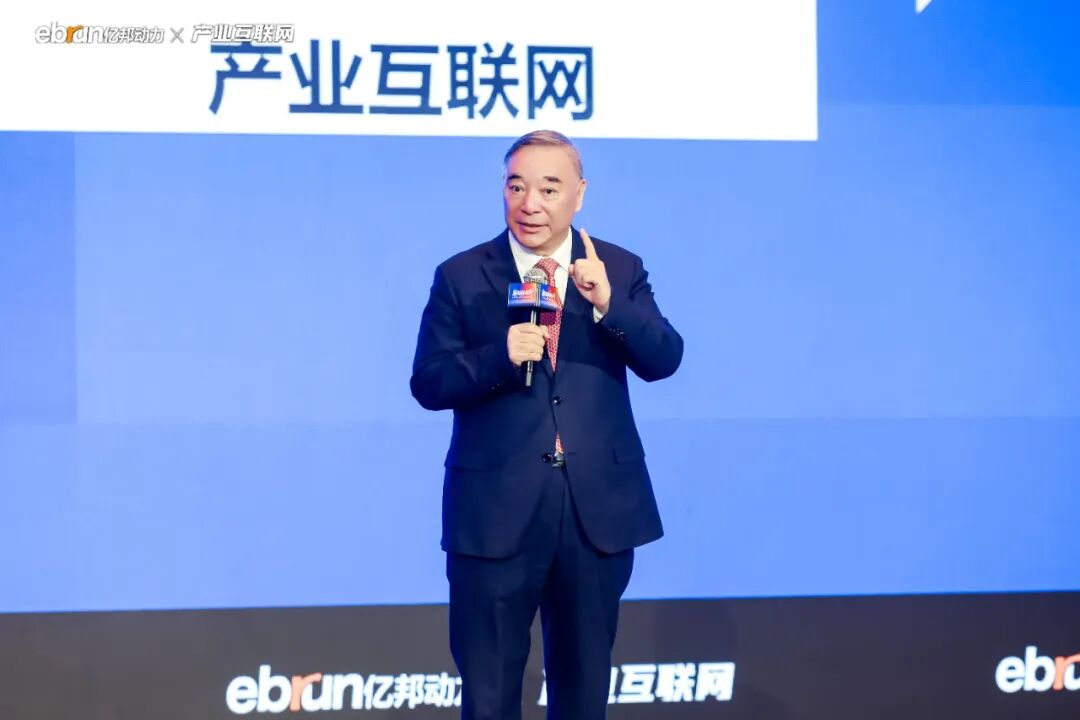
Song Zhiping, Renowned Management Expert and Chairman of the Association for Listed Companies in China
Vertical Integrated Industrial Chain Deep Collaboration. Some leading enterprises use AI to connect internal links such as “production, supply, and sales,” building a supply chain system driven by demand that allocates upstream production and resources. This achieves a shift from “single-point efficiency” to “global optimization” and from “cost control” to “value co-creation.”
According to the 2025 Industrial Internet Development Report, Guolian Shares empowered a titanium chloride production enterprise through its “Deep Supply Chain + Digital Factory” model, increasing capacity to a maximum of 11,000 tons per month. The operating cost per ton decreased by approximately 700 yuan, and procurement costs dropped by about 1,500 yuan per ton.
Wang Fei, Chairman and General Manager of Shaanxi Coal Material Mall Company, believes that the fastest implementation of AI-driven deep industrial chain collaboration is in procurement bidding. “Procurement bidding involves publishing documents, opening and evaluating bids, and expert review. It fully relies on AI for reviewing documents, qualifications, and other technical and commercial terms,” she said. The collaborative effect kept the procurement price at a 6.5%-6.8% discount compared to market prices, shortened the procurement cycle from half a month to two days, and increased per-capita procurement volume from 6.5 million yuan to 28 million yuan.
Horizontal Integrated Supply Chain Digital-Physical Support. Some leading enterprises use digital platforms as hubs to integrate scattered, specialized external resources such as logistics, warehousing, finance, technology, and industrial parks. This not only provides a stable, efficient, and low-cost support system for business operations but also builds ecological collaborative capabilities for data connectivity and process reconstruction.
For example, Jiwei IoT integrates idle social and industry resources to build a full-lifecycle service ecosystem for bulk commodities, linking over 110,000 upstream and downstream enterprises. Its annual business volume exceeds 120 billion yuan, reducing logistics costs for manufacturing enterprises by over 8% annually and increasing income for warehousing and processing service enterprises by more than 15%.
Similarly, Shaanxi Coal Material Mall Company integrates other e-commerce platforms as needed for MRO (Maintenance, Repair, and Operations) categories. Cui Wei, Chairman of Zhongtie Wumao Group’s Jiwu Technology, believes that cross-organizational boundary industrial chain collaboration may be one direction for deepening value chains in the future, but it also involves issues with coding standardization.
“Traditional methods rely on API integration, but many specific problems remain,” Cui Wei said. The current pain point in the industrial goods sector is precisely the lack of standardized coding; therefore, this shortcoming should be prioritized for improvement. Wang Bo, Executive General Manager of CCCG E-commerce Company, also believes that the application of AI technology must be based on solid underlying data management, such as coding standardization.

Industrial Product Branding Breakthroughs. Beyond internal and external synergy, some industrial internet enterprises are also driving industrial products from homogeneous competition characterized by “non-standard low prices” toward brand development based on “standardized high quality.” Chen Long, Chairman of Zhenkunhang Industrial Supermarket, believes that with the popularization and promotion of AI, barriers in the industrial product supply chain will rise. Enterprises must build core competitiveness through deepening AI-driven product innovation, quality improvement, and personalized services.
Some industrial product companies have already realized the importance of branding and are gradually advancing domestic substitution in key areas. For example, Zhenkunhang has created a matrix of specialized sub-brand products in fields such as personal protective equipment, tools, general consumables, administrative supplies, general equipment, and smart warehousing. The number of clients served by its private-label brands has reached tens of thousands.
In fact, in deep value chain practices, data that has undergone systematic collection, governance, modeling, and application can be directly converted into corporate assets through securitization. In September 2025, Shaanxi Construction Logistics issued the “Huaxin-Xinxin Data Asset Phase I Asset-Backed Special Plan” on the Shenzhen Stock Exchange, with an initial issuance scale of 133.7 million yuan.
Industrial Global Expansion: Capturing Dividends from Supply Chain and Brand Globalization
In 2024, China’s total manufacturing exports reached $3.26 trillion, surpassing the combined export totals of the three major industrial powers—Germany, the United States, and South Korea ($3.25 trillion). However, it is concerning that in many industries, decision-making power does not lie with Chinese enterprises.
In contrast, although manufacturing capabilities in Europe and the United States have significantly declined, many companies remain at the top of the global value chain. For instance, in the MRO (Maintenance, Repair, and Operations) sector, companies like Grainger, Fastenal, and Würth hold strong positions and are developing smoothly. Fastenal reported revenue of $7.347 billion in 2024, a year-on-year increase of 5.2%, with net profits of $1.155 billion (up 6.3%) and a net profit margin as high as 15.72%.
Geopolitical conflicts and rising trade barriers have caused significant pain for enterprises going global, but this has also prompted Chinese companies to collectively reflect. “If you only provide supporting components for others, you are merely a supplier, subject to price suppression and low gross margins,” said Chen Long, Chairman of Zhenkunhang Industrial Supermarket. He believes the ultimate goal of Chinese enterprises going global is to cultivate more industrial giants.
Each generation has its own historical consciousness. Under pressure, some entrepreneurs have realized that they can no longer blindly rush in to compete on price and cost; continuing to “involute” (engage in excessive internal competition) will only destroy themselves. Instead, they must climb the two ends of the smile curve, becoming organizers of upstream and downstream industrial resources and distributors of interests.
Liu Bo, Founder and Chairman of Pandding International Group, believes that going global is no longer just the spatial displacement of goods, but a systematic and ecological expansion of capacity, brands, technology, and even entire industrial ecosystems. In 2025, new models and paths have already been explored in the practice of industrial globalization.
Using Warehouses to Drive Chains: Overseas Warehouses Upgrade Supply Chain Hubs. The “warehouse-driven chain” model uses overseas warehouses as physical pivots and data hubs. It integrates forward head-haul transportation, connects backward local delivery, installation, and after-sales services, and horizontally merges product display, sales channels, and distribution resources, achieving integrated operations of “transportation, warehousing, distribution, and sales.”
A typical example is Pandding International, which has over 70 overseas warehouses globally with a total area of 600,000 square meters, providing one-stop stewardship services for Chinese enterprises going global. Pandding offers not only freight forwarding services such as cargo consolidation and transportation but also localized and professional services after goods enter overseas warehouses, including distribution, warehousing and distribution, installation, and after-sales support. For smart home enterprises, Pandding provides not just transportation, storage, and delivery, but also customs clearance compliance, overseas warehouse showrooms, and services for small and medium-sized distributors.
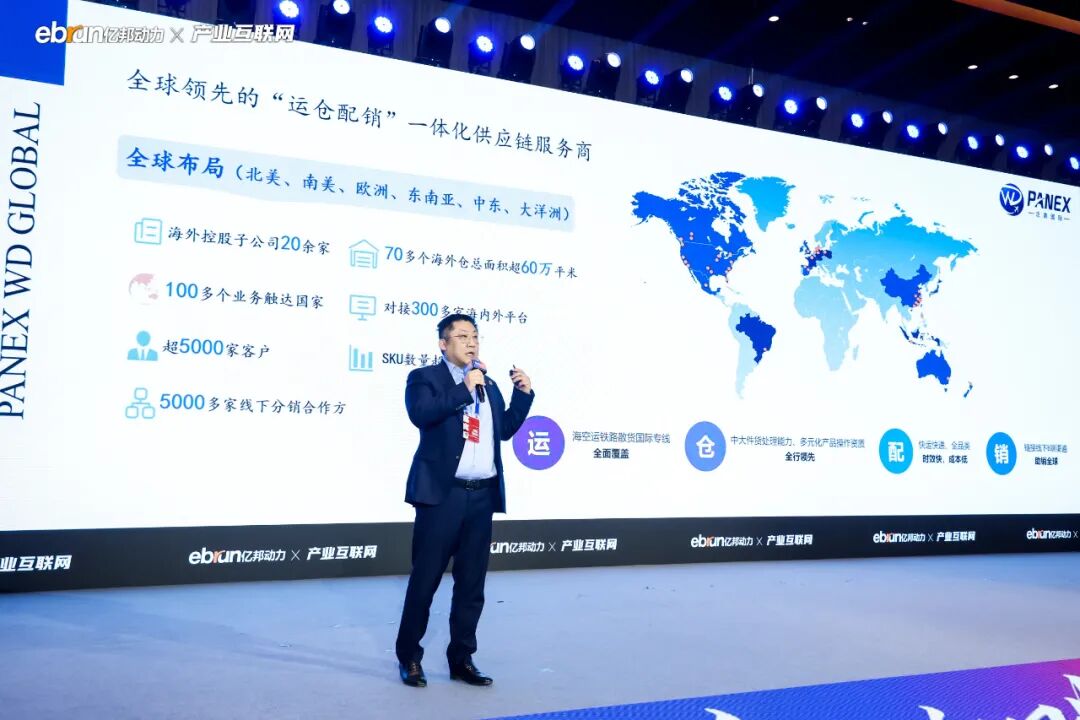
“We have also begun to focus on fields such as smart products, high-end medical equipment, outdoor sports, industrial equipment, and food since last year,” said Liu Bo. “Especially industrial equipment, such as heavy machinery and accessories, is accelerating its global expansion along with the Belt and Road Initiative, promising to become a second growth curve for China’s trade exports.”
Using Products to Drive Chains: Helping Chinese Industrial Clusters Land Globally. China accounts for 35% of global manufacturing output, supported by 300 industrial clusters and over 6 million manufacturing enterprises. However, small and medium-sized enterprises in these clusters generally face difficulties going global. “Going global as a group” can break through these challenges by building an industrial community system.
A typical example is Guolian Shares. It chose vertical industries characterized by concentrated upstream competition, multiple intermediate circulation links, and highly fragmented downstream markets. By integrating logistics, finance, digital transformation, and certification services, and relying on seven overseas operation centers and a network of overseas warehouses, it leads Chinese industrial clusters into global markets. This model achieves breakthroughs with core single products, gradually driving synergy across all categories, providing a replicable path for traditional industrial clusters going global.
Central and State-Owned Enterprises Enter the Cross-Border Battlefield via Digital Procurement Platforms. Compared to traditional trading enterprises fighting alone, central and state-owned enterprise platforms leverage supply chain integration capabilities, large-scale procurement advantages, and compliance systems. On one hand, they reduce costs and increase efficiency through centralized procurement; on the other, they use digital means to ensure process traceability and risk control, promoting the export of China’s supply chain capabilities.
A typical example is “Runhuicai,” under China Resources. Initially serving internal operations within China Resources, it has now been upgraded into an overseas procurement coordination platform for the Greater Bay Area, providing standardized and efficient cross-border procurement services for Chinese enterprises. “It provides excellent tools for central and state-owned enterprises going global in terms of processes, platforms, and compliance, attracting companies to post their demands on the platform,” said Ran Peng, General Manager of China Resources Shouzheng. “It also builds a transparent and efficient matchmaking platform, attracting more high-quality suppliers to find business opportunities.”
Industrial Internet Thinking is Also Creating Global Brands. Going global is not just about marketing and channels; it is an upgrade of ecosystems and models. Some brands are using data intelligence and user co-creation to build dynamic, resilient value networks globally through ecological collaboration that competitors find difficult to quickly imitate.
For example, Leqi Innovation’s SmallRig, a brand specializing in imaging accessories, starts with user needs and leverages supply chain capabilities to create an agile supply chain characterized by “small batches, frequent deliveries, diverse categories, high frequency, and semi-customization” through ecological collaboration. It is reported that the brand has achieved a “user-manufacturer co-creation” product development model, launching over 500 innovative products annually (approximately 1.6 per day), with a basic closed-loop product development cycle of 21 days.
Leqi Innovation has also achieved industry synergy. “Upstream supply chains, innovation hubs, and startups can all initiate innovations. Through digital process integration, they choose co-creation methods on an external digital co-creation platform, matching business models and profit distribution,” said Gao Haiyan, Co-founder of Leqi Innovation SmallRig and Chairman of the Leqi SmallRig Imaging Development Fund.
Gao Haiyan believes that for brand companies going global, the first stage is being a cross-border e-commerce company (selling products via third-party platforms), the second stage is becoming an internet company (intensive scale operations, understanding and creating users, enhancing delivery value), and the third stage is moving toward industrial internet, evolving from a value ecosystem to an industrial ecosystem.
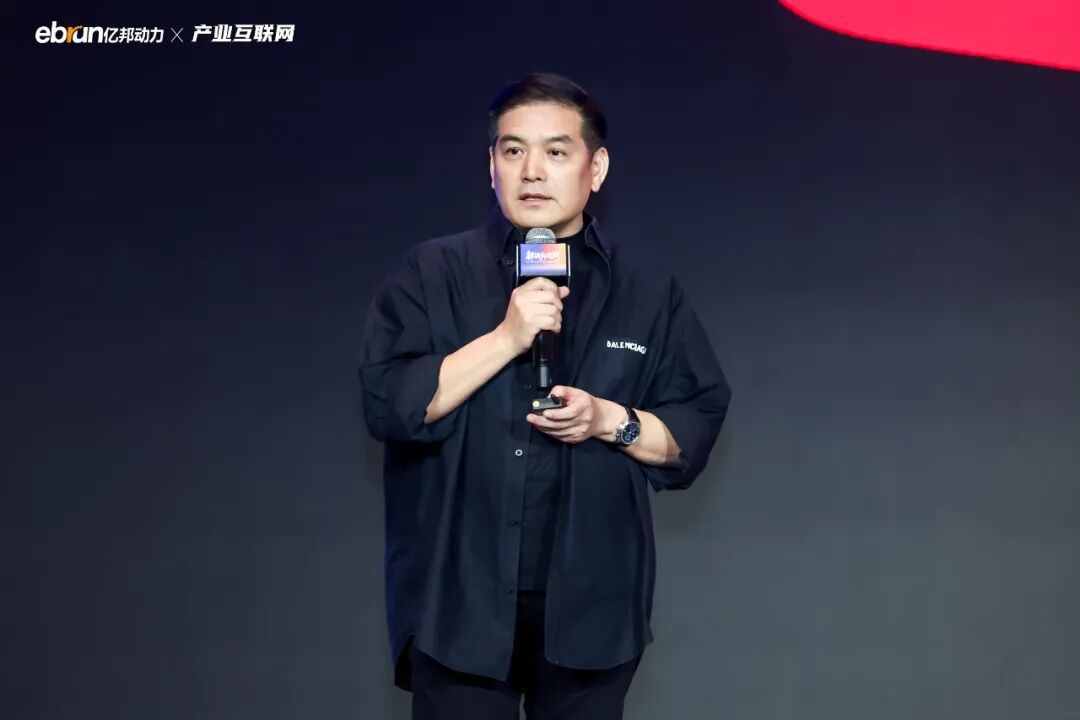
He believes that the increasing brand loyalty of Leqi Innovation is not due to traffic investment, but the result of ecological scale, value delivery, and supply levels working together. “Moving from products to categories, scenarios, and ecosystems inevitably requires industrial internet methods,” said Gao Haiyan. “It is both an active strategy and a passive choice.”
▶ Summary
People often overestimate changes in one year but underestimate changes over ten years. As old and new cycles alternate and the economic environment shifts, many feel lost. However, if we extend the timeline, helping small and medium-sized enterprises and traditional industries move toward the future should be the long-term narrative of industrial internet.
Song Zhiping also believes that since China’s manufacturing accounts for 30% of global output and has accumulated infrastructure advantages through early entry into consumer internet (such as cross-border e-commerce and logistics distribution), it holds absolute discourse power in the era of industrial internet. “Therefore, we will take the lead in this round of industrial internet.”
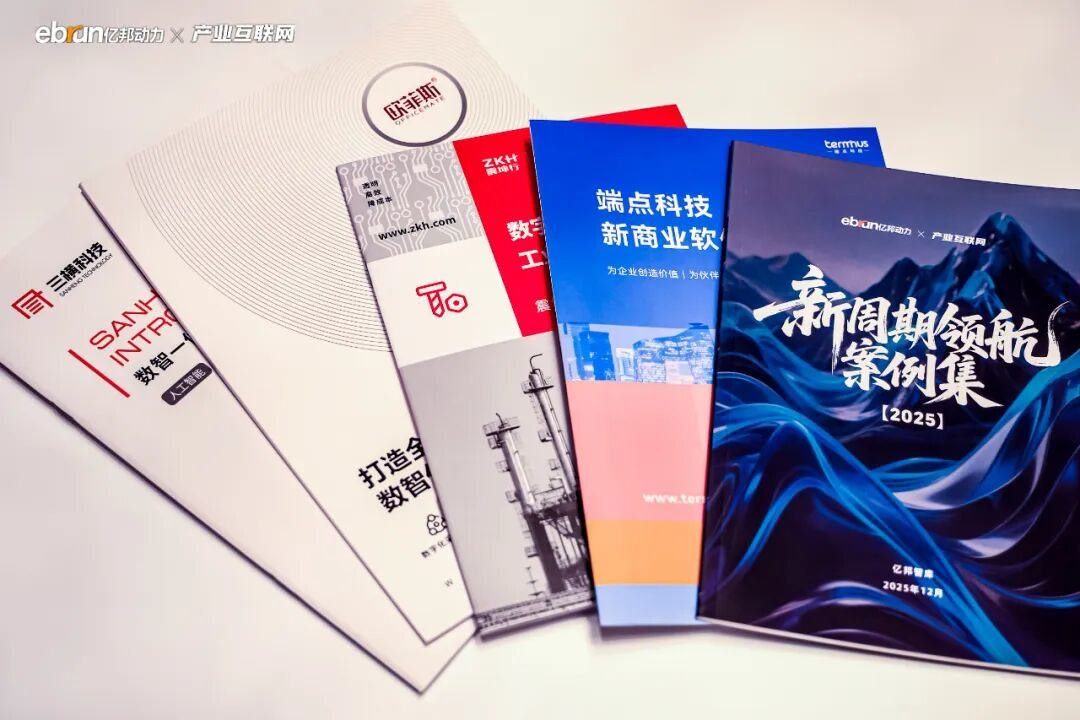
Worth noting is that on December 3, the 2025 Ebrun Industrial Internet Annual Conference launched for the first time the 2025 New Cycle Navigation Case Collection. Twelve enterprises—Guolian Shares, Zhenkunhang, DuanDian Technology, Qixin Group, OFS, Xinfangsheng, Jiepei, Lange Group, Yunhan Chip City, Sanheng Technology, Xingpingtai Group, and Shaanxi Construction Logistics—were selected as the first batch of cases due to their outstanding practical achievements.
Appendix: List of 2025 Qianfeng Award Winning Enterprises