When driving, encountering a “professional crasher” (someone who intentionally causes accidents to extort money) usually leads to heated arguments on the spot. But what happens if an autonomous vehicle is deliberately targeted?
Think you can bully a self-driving car because it can’t speak? Think again[see].
A Wuhan driver attempted to scam an autonomous taxi, but traffic management authorities tracked him down using cloud data. This has resulted in the country’s first penalty case of its kind.
What exactly happened?
Deliberately Targeting Autonomous Vehicles Results in Traffic Penalties
The story begins on August 5 in Hongshan District, Wuhan. A Baidu Apollo Go (Luobo Kuaipao) autonomous vehicle was preparing to change lanes when it rear-ended a traditional taxi, damaging both vehicles.
As many know, under the current legal framework, compensation is typically borne by the party owning the autonomous vehicle.
However, traffic police later identified a suspicious detail: this accident may not have been accidental but man-made.
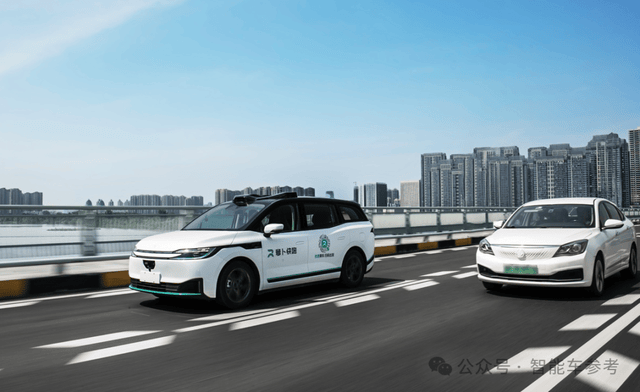
Investigators believed that the taxi driver had the opportunity to avoid the collision and likely accelerated intentionally while the “Luobo” vehicle was changing lanes.
How did they discover this?
In fact, on July 23—less than two weeks before this incident—the same driver was involved in a highly similar accident with another Apollo Go vehicle, where collisions occurred precisely when the autonomous car was changing lanes.
These two incidents resulted in the driver receiving a total of 3,900 yuan in compensation.
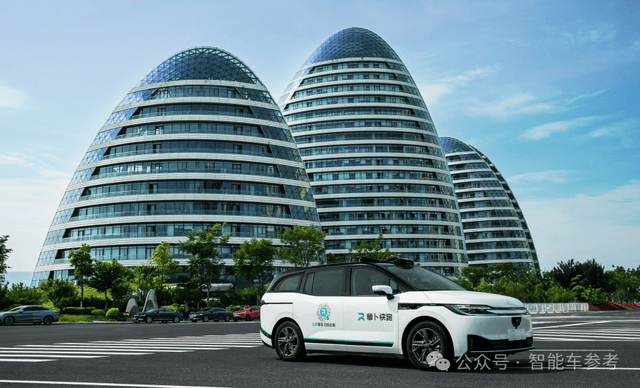
Although there is no human inside the car, it does not mean there is no one “watching” from the cloud. The vehicle’s sensors and decision-making logs have plenty to say.

To verify their suspicions, Wuhan traffic management authorities collaborated with judicial appraisal institutions and technical teams to retrieve the autonomous vehicle’s algorithm logs and cloud data. They found that the autonomous system had already identified the rear vehicle and maintained a safe distance.
Further analysis of the taxi’s abnormal trajectory allowed technicians to pinpoint behaviors such as tailgating, positioning closely behind the lane-change target, and sudden acceleration. These actions were confirmed as deliberate scamming.
Ultimately, the driver was held fully responsible, fined 2,000 yuan, and had his driver’s license suspended for three months.
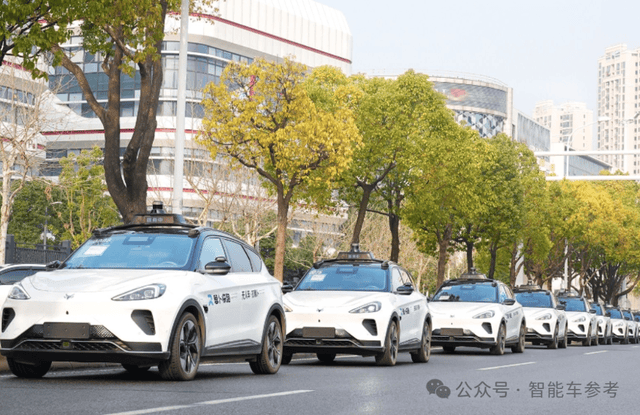
This penalty sets a precedent for drivers attempting to scam autonomous vehicles. It also signals that regulations regarding self-driving cars are becoming more comprehensive, standardized, and robust.
As Robotaxi fleets expand, operations may become increasingly efficient and smooth in the future.
Shortly after this case was resolved, “Luobo” announced another major milestone.
”Luobo” Processes 250,000 Weekly Orders; Public Data Matches Waymo
According to recent disclosures from Apollo Go insiders, as of October 31, the service processed over 250,000 weekly orders, all of which were fully driverless.
This weekly order volume is roughly on par with the last publicly reported operational data from another leading Robotaxi player—Waymo (from late April this year).
In terms of cumulative service volume, Apollo Go has reached a new global milestone, exceeding 17 million orders.

Its autonomous driving mileage has surpassed 240 million kilometers, with over 140 million kilometers being fully driverless.
Looking back at Apollo Go’s various milestones and plotting them on a timeline to compare cumulative order curves, it is evident that the growth rate is accelerating significantly:
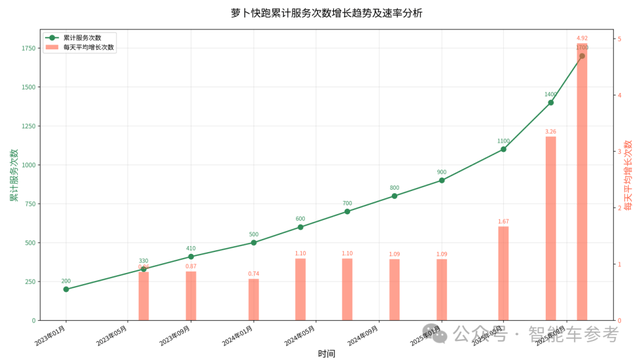
△Note: Image generated by Yuanbao AI
Last year, “Luobo’s” growth pace was approximately 1 million orders every three months, averaging about 11,000 orders per day.
However, this year, the last data release coincided with an earnings report in late August. Over a period of two-plus months (calculated as 72 days), order volume grew by 3 million, averaging nearly 42,000 orders per day.
It is clear that “Luobo’s” speed is increasing, and the scale expansion driven by fleet growth is becoming more pronounced.
This is largely linked to Apollo Go’s expanded operational scope this year and its frequent international moves.
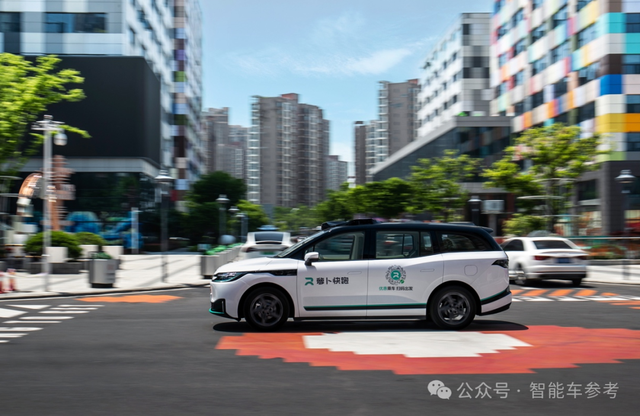
Since Li Yanhong announced in February that the company had achieved 100% fully driverless operations domestically and defined this year as the “Year of Expansion,” Apollo Go has monthly updates on its progress in new markets:
For example, in March, it entered the Middle East market, launching scaled testing and services first in Dubai’s Abu Dhabi—the first time it rolled out such services outside China. In April and May, to better test right-hand drive markets, the fleet expanded its testing scope multiple times in Hong Kong.
In July, “Luobo” obtained Dubai’s first autonomous driving test license, along with 50 test permits, while also planning further exploration of countries like Japan, Switzerland, and Turkey.
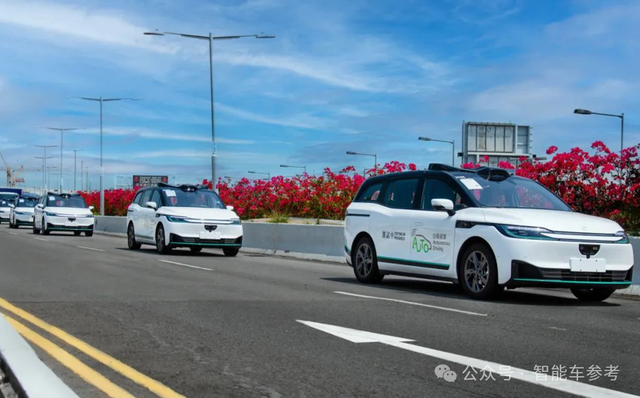
By the third quarter, Apollo Go upgraded its overseas model, partnering with operators to reach agreements with major ride-hailing platforms Uber and Lyft. These partnerships involve fleets in the “thousands” of vehicles, targeting global and European markets respectively.
New operational plans have also extended “southward” to Australia and Southeast Asia; reports indicate negotiations are underway with local governments.
Domestically, progress continues as well, with trial operations or road tests launched successively in cities such as Foshan, Dongguan, and Jiangmen in Guangdong Province, showing a trend of penetrating regional central cities and prefecture-level cities…
To date, Apollo Go has covered 22 cities globally, achieving scaled deployments in Beijing, Shanghai, Wuhan, Shenzhen, Hong Kong, Dubai, Abu Dhabi, and others.
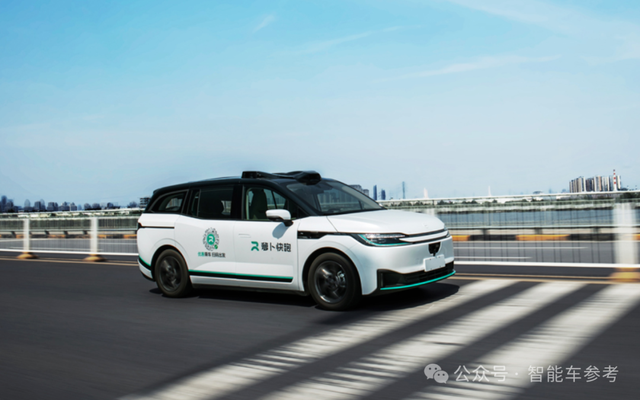
Broadening the view to the entire Robotaxi sector, it is not just Apollo Go expanding rapidly this year; several top-tier Robotaxi players are racing non-stop.
With the end of the year approaching, sparks from the rush are turning into concrete realities—
First, looking at domestic Robotaxi competitors: besides Apollo Go, WeRide and Pony.ai have been active in capital markets recently, both planning to list on the Hong Kong Stock Exchange this Thursday.
Across the ocean, two other players have announced recent progress:
Waymo stated it will open services in three additional cities in the U.S.: Detroit, Las Vegas, and San Diego, using vehicles such as the Jaguar I-Pace and Zeekr’s Zeekr RT.
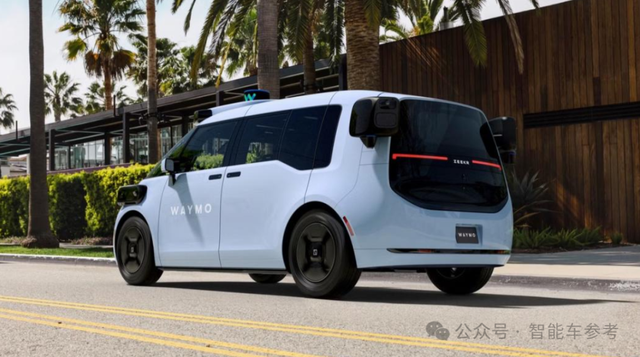
Waymo Co-CEO Tekedra Mawakana stated that the company aims to reach 1 million weekly service orders by the end of 2026.
The other player is Tesla, which is also accelerating its Robotaxi expansion. Elon Musk has claimed that the Cybercab, a vehicle specifically designed for Robotaxi with no steering wheel or pedals, will officially enter production in the second quarter of next year.
This time it doesn’t seem like empty talk; recently, many media outlets have captured images of the Cybercab being tested on public roads.
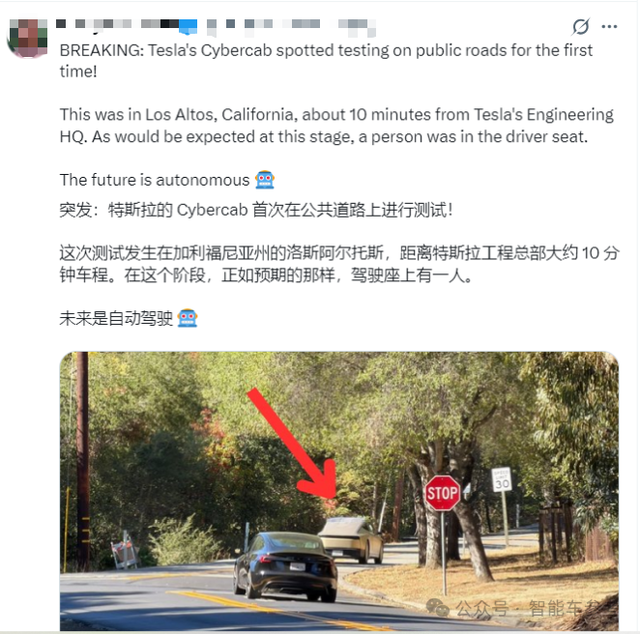
Moreover, the Cybercab will be exhibited at the China International Import Expo (CIIE) starting tomorrow, placed in a prime spot on the booth. It marks its Asia-Pacific debut. Friends in Shanghai, do you want to go see it in person?