By Lin Mei Huang, Multimodal & Media AI Editor
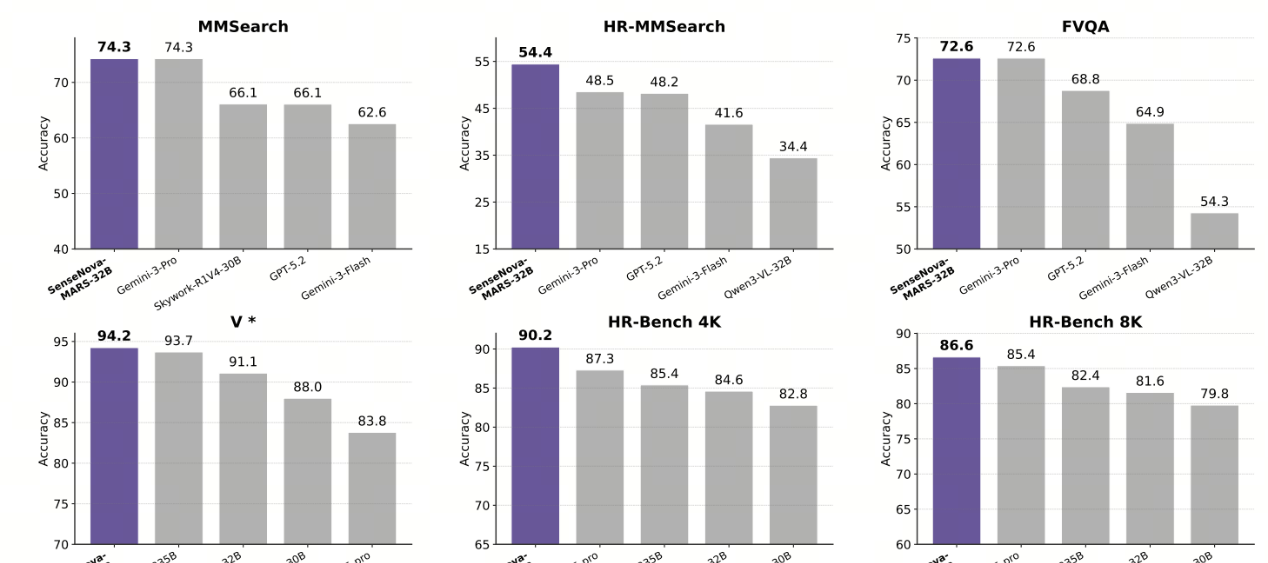
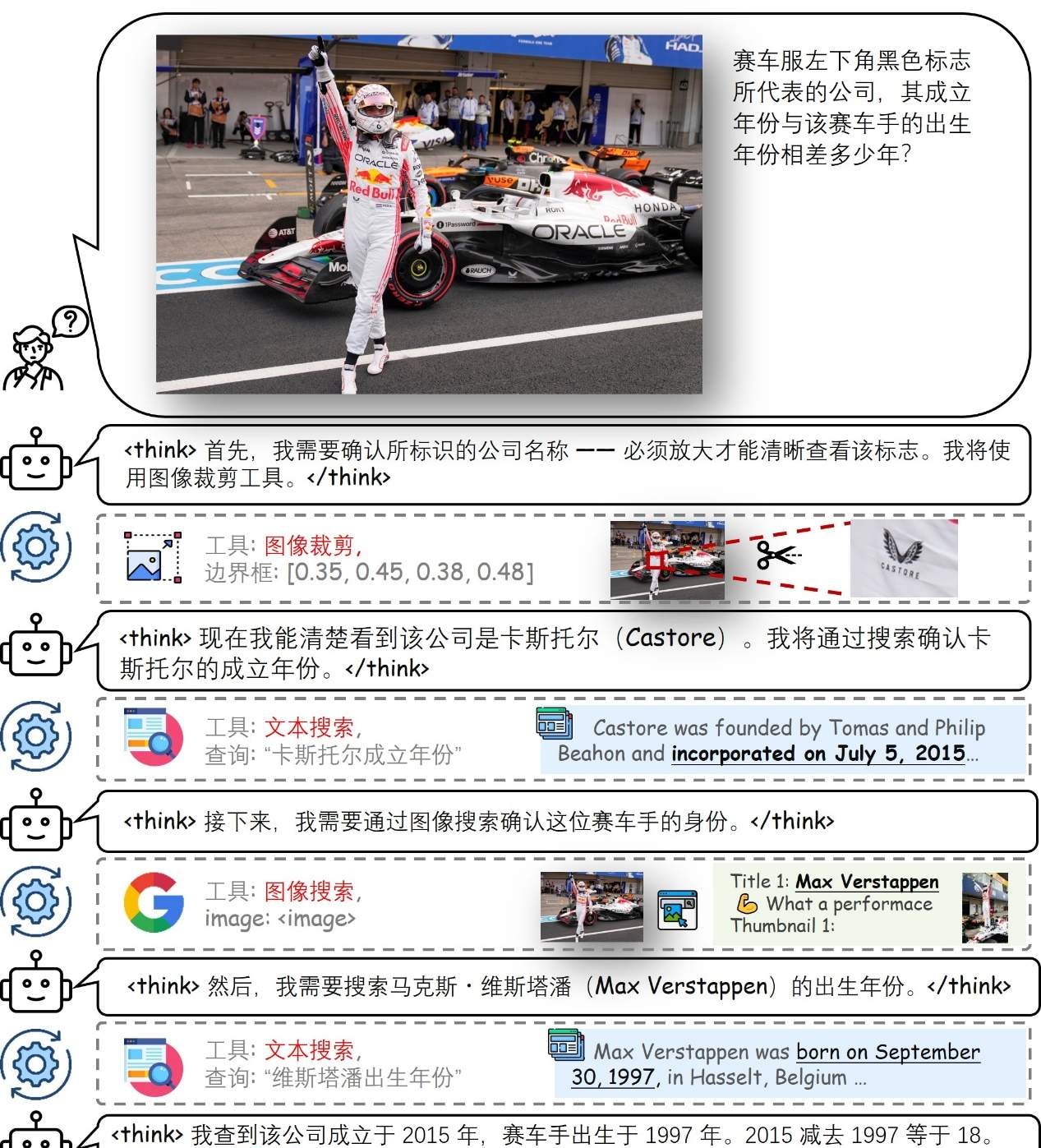
When a vendor open-sources an “agentic” vision-language model, my first reaction is not celebration. It is: what can this system crop, search, and store without asking me? SenseTime’s SenseNova-MARS (8B / 32B) is a useful case study because the marketing leans hard on tool use—image crop, image search, text search—plus leaderboard numbers against Gemini and GPT-class systems. Those claims may be real. They are also exactly the capabilities that create rights and provenance risk for creative teams.
I have spent years in pipelines where a “helpful” crop erased a watermark, a logo match pulled the wrong brand pack, or a search step cached a still we were not licensed to retain. So I do not review agentic VLMs as chatbots. I review them as operators that can touch assets.
What the launch actually asserts
Stripped of press language, the release asks me to believe three things:
- The model can plan multi-step visual work and call tools without a human in the loop.
- On multimodal search / reasoning suites (including hard detail search such as HR-MMSearch-style setups), it posts competitive or leading scores, including numbers the company cites around the high-60s average versus peer closed models.
- Weights, code, and datasets are open enough to inspect—which matters more to me than a single score.
I treat every published benchmark as a vendor-reported result until I reproduce a slice myself. I have not independently re-run MMSearch or HR-MMSearch for this piece. That is a trust limit, not a dodge.
My preflight before creative use
1. Tool boundary map
I write down every tool the agent may call and what leaves the machine:
- Crop: does the crop leave our VPC? Is the crop logged?
- Image search: which index—public web, vendor corpus, or our private store?
- Text search: same questions for queries that may include filenames, EXIF, or on-image text.
If the answer is “it just works,” I do not connect production assets.
2. Consent for autonomous crops
Agentic crop is powerful for tiny logos and micro-text. It is also how you accidentally publish a face, a minor in the background, or a competitor mark. My rule: no autonomous crop on client libraries until there is an allowlist of folders and a human gate for export.
3. License and training attestation
Open weights help auditability. They do not automatically clear commercial use of outputs or of retrieved third-party pages. I want a plain statement: training on our prompts off by default; retention window; who can access traces.
4. A tiny golden set that is ours
I keep five internal tasks: find a SKU code on packaging, match a brand guideline color under glare, refuse a medical-skin prompt, cite which tool fired, and stop when search returns conflicting dates. Vendor leaderboards do not replace that set.
What I find promising anyway
Dynamic tool use is the right direction for messy visual work. Synthetic hard cases plus RL with stability tricks (as described in the training write-up) are the kind of details I look for when a lab is serious about multi-hop search rather than single-shot captioning. Full open-source of weights and data—if complete—lets creators and counsel inspect synthetic chains for bias and leakage. That is more valuable to me than another “all-around champion” slide.
What I refuse to do
- Ship marketing stills through an agentic VLM with web search enabled and no retention policy.
- Treat a 0.6-point leaderboard gap as a buying decision.
- Confuse “open model” with “cleared for our IP.”
Bottom line
SenseNova-MARS is interesting as an operator-shaped multimodal system, not as a scoreboard trophy. My bar is boring on purpose: tool boundaries, crop consent, license attestation, and an internal golden set. Until those pass, the model stays in a sandbox—open source or not.
Comments
Sign in to join the discussion and leave a comment.
Sign in with Google